

Table of Contents
Why Exterior Color Matters More Than You Think
Choosing a color for your home’s exterior might seem purely aesthetic. Still, it significantly affects how your home is perceived and maintained over time. The right color can enhance curb appeal, influence mood, and reflect personal style or architectural history. It also affects how your home interacts with its environment—lighter shades can help reflect heat in warm climates, while darker hues may offer a cozier, grounded feel in cooler regions. Color choices can also subtly signal value, condition, and attention to detail, influencing everything from neighborhood cohesion to resale interest.
When considering fresh ideas for revamping your home’s exterior with color, it’s helpful to look beyond trends and think about context—your surroundings, your home’s design, and your long-term needs. Consulting professionals, such as Venice exterior painting experts, can provide valuable insight into which shades will withstand time and weather conditions. They can help identify tones that complement the landscape or architectural details while avoiding colors that might fade or clash. A thoughtful color update doesn’t just refresh your home’s look—it reinforces its character and strengthens its visual impact for years.
Trends Shaping Today’s Exterior Palettes
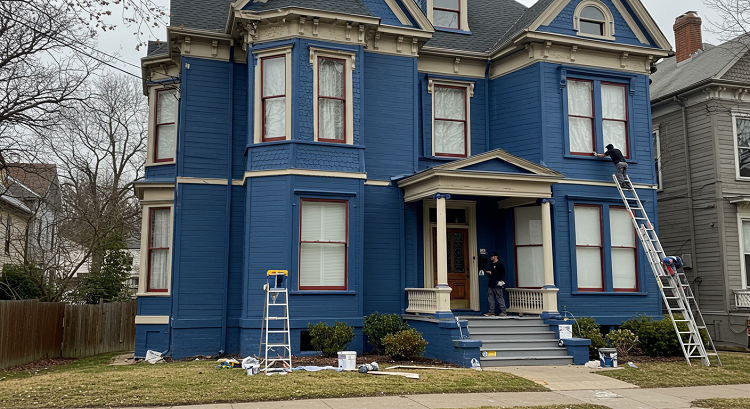
Color trends for home exteriors reflect timeless tradition and fresh innovation. In recent years, there’s been a noticeable move away from “builder beige” toward shades that borrow from the natural world—think misty green, slate blue, or warm beige. Crisp whites with nuanced undertones are favored for their brightening effect and versatility, while deep shades of navy, olive, and charcoal anchor homes in the landscape with subtle drama. For people wanting a splash of individuality, colorful doors, window frames, or trim—painted in deep reds, cheerful yellows, or a rich teal—add vibrancy without overwhelming the primary palette.
The best palettes are not dictated solely by this year’s “it” color but by how hues interact with climate, sun exposure, and neighboring architecture. Homeowners often spend days testing swatches on siding, observing colors at dawn, midday, and dusk. Even the same shade can look dramatically different depending on tree cover, orientation, or type of siding. Tools like digital color visualizers or mobile paint-matching apps have made experimentation easier. When unsure, look to classic combinations—white with navy accents, soft taupe with crisp black shutters—that have staying power. Ultimately, the trend to follow is the one that makes your house feel like home.
Factors to Consider Before Painting
- Climate Resilience: Extreme weather, coastal humidity, and powerful sun can all degrade paint over time. Selecting products formulated for your region ensures the finish matches scorching summers and freezing winters. Look for moisture-resistant paints in rainy areas and those with advanced UV-blockers in sunny locales.
- Neighborhood Character: Curb appeal is partly about harmony. While pops of color can distinguish your home, maintaining visual unity with homes nearby maintains market appeal and neighborhood value. Some homeowners’ associations or historic districts even require pre-approved palettes, so check the guidelines before choosing.
- Surface Material: Different surfaces demand different paints. Masonry breathes and may need coatings that avoid trapping moisture; wood benefits from flexible, expanding formulas. Always factor in the age and condition of existing siding—older homes often need additional prep and specialty products.
Consulting with professionals or local paint suppliers is often the best way to navigate the intersection of your vision, local regulations, and a material’s natural properties. Making thoughtful, informed choices at this stage ensures the rest of the project unfolds smoothly.
Preparation Sets the Stage
There’s a reason every paint professional emphasizes preparation. Rushing into painting without the proper groundwork leads to bubbling, peeling, and patchy results. The process starts by assessing the current condition: remove tough dirt, moss, and mildew with a power washer or stiff brush. Once dry, manually scrape or sand away loose paint until you’re met with a smooth surface.
Take time to fill every hole, crack, or seam with durable, weather-resistant filler or caulk. If you notice wood rot or broken siding, repair those areas first—paint can’t hide structural issues and will fail if applied over them. Taping windows, doors, and fixtures saves clean-up time and produces crisp, professional lines. Applying a quality primer is the next crucial step when the surface is patched and taped. Primer provides an even, adhesive base for your new color, seals porous materials, and prevents discoloration from knots or natural variances. Advice from home improvement leaders supports prioritizing prep—it’s what separates standout exteriors from forgettable ones.
Durable Finishes for Harsh Conditions
The daily assault of wind, rain, dust, and sunlight means outdoor paint needs to be long-lasting and built for defense. Today’s premium exterior paints and stains include potent UV blockers, advanced resins, flexible polymers, and potent mildew inhibitors. These features work together to resist fading, prevent cracking as surfaces expand or shrink, and stop water from penetrating the core of your siding or trim. With rising demand for sustainability, many top brands now offer low-VOC or zero-VOC paints, making it possible to refresh your home’s exterior without sacrificing air quality or health.
It’s tempting to save money upfront with bargain paints, but the savings disappear when finishes fail after a couple of years. High-quality coatings often offer 10, 15, or even more years of warranties, enhanced color retention, and superior resistance to grime and mold. Investing more now means painting less often-and enjoying a freshly updated home day after day. For large scale exterior projects or when seeking the smoothest, most professional finish on difficult surfaces like aluminum siding or fencing, professional application methods are often preferred. Experts specializing in spray painting toronto, or elsewhere, can achieve unmatched uniformity and durability, ensuring that high quality materials are applied perfectly for maximum longevity.
Step-By-Step: Refreshing Your Exterior
- Assess and Clean: Scan all sides of your home for damage, rot, or mildew. Use a power washer to remove debris and pollutants, being careful not to gouge vulnerable trim or siding.
- Repair Surfaces: Use wood filler or patching compounds to mend minor flaws and replace sections of wood or masonry that are too deteriorated to salvage: sand rough edges and feather transitions between old and new paint layers.
- Prime: Spot-prime exposed patches, then consider complete priming when covering large color or material changes. Priming ensures even absorption and reduces blotchiness, especially for light-over-dark or vice-versa.
- Select Colors: Browse color decks, test small samples, and view them in natural light conditions. Ask for second opinions—and trust your first instincts, too.
- Paint: Work top to bottom, painting eaves and trim first, then siding and panels. Multiple thin coats provide better durability than one thick application. Allow ample drying time between coats, and avoid painting during extreme heat, rain, or wind.
- Maintain: Clean annually to remove dirt, pollen, and mold. Inspect painted areas for chips, cracks, or fading and spot touch-ups promptly. Consistent care maintains your investment and keeps the exterior looking vivid.
Common Painting Mistakes to Avoid
- Ignoring preparation leads to early paint failure and wasted effort.
- Painting on damp surfaces or in extreme weather causes improper curing and adhesion.
- Neglecting to view samples in true outdoor light—interior test patches rarely reveal exterior color shifts.
- Purchasing low-quality products or skipping essential accessories like caulk can result in visible seams, reduced durability, or unwanted pest intrusion.
Taking the time to plan, prepare, and use the right tools. Consult with local experts, follow manufacturer guidelines, and resist the urge to rush. Remember: the difference between a mediocre and excellent exterior is almost always found in the care invested upfront.
Personalizing Curb Appeal: Finding Inspiration
Your home’s façade is a canvas for self-expression—a way to show the world who lives within. Look to historic houses, local landmarks, natural features, or favorite travel memories for creative color inspiration. Nature-inspired palettes often feel most harmonious, while bursts of unorthodox color on a door or planter box can turn a plain exterior into a head-turner.
Don’t hesitate to ask friends, family, or neighbors for input or to consult reputable magazines and online image galleries. Look for exteriors in your area that have stood the test of time, assessing why they work. Above all else, trust your vision: choose colors and combinations that fill you with pride. With care, creativity, and the advice of knowledgeable resources, transforming your home’s exterior into something new is not just possible—it’s an enjoyable journey that pays real dividends in comfort, value, and joy.