
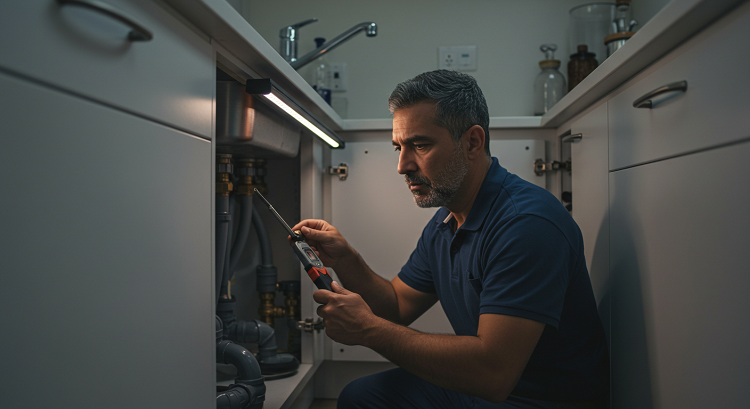

Every homeowner knows how disruptive and expensive plumbing issues can be. Unexpected leaks, burst pipes, and clogged drains are among the most common culprits for household stress and hefty repair bills. Proactive care and regular upkeep not only keep your home comfortable and safe but also act as a crucial defense against the inconvenience and financial burden of plumbing disasters. One overlooked leak or neglected fixture has the potential to escalate from a minor inconvenience to significant water damage, often resulting in hundreds or even thousands of dollars in repair costs. Suppose you ever suspect a problem or are faced with an urgent situation that requires more than basic fixes. In that case, it’s essential to turn to Denver emergency plumbing services for responsive, expert assistance. However, most common plumbing headaches can be avoided entirely by taking simple preventive measures and paying consistent attention to your plumbing system. Regularly inspecting pipes for leaks and corrosion can prevent unexpected water damage. It’s also advisable to avoid pouring grease or large food particles down the drain, as they can cause blockages. Installing a water softener can help reduce mineral buildup that may cause clogs and damage to plumbing systems. Finally, scheduling professional plumbing inspections annually can help catch potential issues early and keep your system running smoothly.
Table of Contents
Regular Inspections
Routine plumbing inspections are your first line of defense against potential disasters, helping you catch minor issues before they escalate into expensive repairs or widespread water damage. Make it a point to walk through your home at least every quarter and visually check all exposed pipes, connections, faucets, and fixtures for signs of corrosion, wear, or moisture. Identifying a problem at this early stage allows you to address it when the costs and inconvenience are still minimal. Don’t overlook often-forgotten or hidden spaces, such as under sinks, behind washing machines, and around toilets, as these are typically hotspots for unnoticed leaks and early signs of water damage. Even small drips can signal the beginning of a larger problem, so paying attention during these routine checks is well worth your time.
How to Conduct a Quick Inspection
- Check all connections and joints for moisture or water stains, which often appear as dark spots or discoloration on walls and cabinets.
- Inspect for corrosion around valves and pipe fittings; greenish or rusty deposits are big indicators of material breakdown.
- Test for unusual odors, especially musty smells near plumbing fixtures, which can mean water is pooling out of sight and promoting mold growth.
Leak Detection and Repair
Even the smallest leaks should never be ignored, as they can waste hundreds of gallons of water per year, lead to unexplained spikes in your utility bills, and gradually weaken the structural components of your home. To identify potential leaks, regularly inspect areas under sinks, around water heaters, behind appliances, and at the bases of toilets for any signs of water stains, puddles, or mold growth, which usually indicate slow but persistent leaks. According to the EPA’s Fix a Leak Week, one in ten homes has leaks that waste at least 90 gallons or more per day—water that you pay for but never use. Promptly repairing leaks is beneficial for both your wallet and the environment, as it can save you up to 10% on your water bill, prevent structural deterioration, and reduce the risk of mold infestation, which can cause health issues.
Common symptoms of hidden leaks include unexplained damp spots, a sudden musty smell, or the sound of running water when no fixtures are in use. Sometimes, high water usage on your bill can be the very first sign that you have a hidden problem. While some leaks are easy DIY fixes, such as tightening a loose connection or replacing a worn-out washer, more complex issues often require professional tools and expertise.
Drain Maintenance
Blocked drains are a common and easily avoidable problem that can result in water backups, unpleasant odors, and even long-term pipe damage. Keeping your drains flowing efficiently starts with using mesh strainers to trap debris, hair, food particles, and soap scum before they enter the plumbing system. Never pour grease, coffee grounds, or food scraps down kitchen sinks, as these substances harden and stick inside pipes, forming stubborn clogs over time. For a natural cleaning method, periodically flush drains with hot water followed by a mixture of vinegar and baking soda. This simple, environmentally friendly solution helps break down buildup without harsh chemicals that can erode your pipes or harm your septic system. As a bonus, this process deodorizes drains and discourages small clogs from becoming major blockages.
Best Practices for Drain Care
- Empty strainers daily in kitchens and bathrooms to prevent debris from being forced into pipes during heavy water flow.
- Clean drain covers and stoppers weekly to remove soap residue, hair, and other buildup.
- Flush kitchen drains with hot water and baking soda monthly to maintain smooth flow and help eliminate unpleasant odors.
Water Pressure Monitoring
Water pressure that’s too high will gradually wear out your pipes, faucets, and appliances, making them more prone to leaks, bursts, or costly failures. Most homes require a water pressure level between 40 and 60 psi for optimal operation. You can use an inexpensive pressure gauge, widely available at hardware stores, to measure your system’s pressure at least once or twice a year—or any time you notice a sudden change in water flow or hear new noises in the plumbing. If your readings are consistently over 60 psi, it’s advisable to have a pressure regulator installed. This single upgrade is often overlooked but can extend the lifespan of every component in your plumbing system, reduce long-term repair needs, and guard your home from sudden catastrophic failures.
Maintaining proper water pressure also helps ensure showers are comfortable, fixtures operate efficiently, and all appliances—from dishwashers to washing machines—work as intended.
Water Heater Upkeep
Your water heater is an essential yet often overlooked element of your home’s comfort, operating quietly until a problem arises. Sediment buildup is a common problem, as minerals in water gradually settle at the bottom of the tank, causing your heater to work harder and less efficiently over time. Every 12 months—or according to your specific unit’s manufacturer instructions—flush your water heater to remove this sediment. Doing so improves heating efficiency, shortens the recovery time between uses, and prolongs the unit’s life expectancy. During your inspection, look for signs of rust, dampness, or unusual sounds, such as hissing or popping, which may indicate leaks, corrosion, or sediment buildup. Addressing these issues early not only prevents unexpected hot water interruptions but also helps avoid the far more expensive prospect of a full replacement. Always ensure that the power or gas supply is turned off before performing any maintenance or inspections on your water heater for safety reasons.
It’s also wise to monitor the temperature setting. Manufacturers typically recommend setting water heaters to 120°F, which is hot enough for daily use but low enough to minimize scalding risk and reduce energy costs.
Pipe Insulation
One of the leading causes of sudden, catastrophic water damage in winter is burst pipes due to freezing temperatures. Insulating your pipes, particularly in unheated or exposed areas such as basements, crawlspaces, garages, and attics, significantly reduces this risk. Foam pipe sleeves, which are widely available at hardware and home improvement stores, provide effective and affordable protection for vulnerable sections of your plumbing system. In especially severe cold, allowing a slow, steady drip from faucets helps keep water moving, relieving pressure and reducing the chance pipes will freeze and burst. The American Red Cross offers excellent tips for protecting plumbing during extreme winter conditions, and it’s a good idea to familiarize yourself with these before the season begins.
Beyond insulation, be sure to close foundation vents during cold weather, seal gaps in exterior walls near pipes, and disconnect outdoor hoses to prevent frozen water from backing into the system.
When to Seek Professional Assistance
While many routine plumbing maintenance tasks are manageable for homeowners with basic tools and a bit of know-how, there are situations where professional intervention is the safest and most effective option. Persistent clogs, sewer line backups, severely leaking water heaters, or any suspected pipe leaks behind walls should be left to licensed plumbers, who have the training and specialized equipment to diagnose and repair the issue correctly. Attempting major repairs or replacements on your own can void warranties, lead to further hidden damage, or even create hazards such as gas leaks or water contamination. Building an ongoing relationship with a trusted local professional ensures that when emergencies arise, you have reliable help at your fingertips and that your plumbing system is kept in optimal working condition year-round.
Consistent care and attention to your home’s plumbing will spare you the time, money, and stress associated with unexpected repair bills and disruptions. By making regular maintenance a habit, calling in pros when needed, and acting quickly at the first sign of trouble, you can enjoy a hassle-free, comfortable living environment for years to come. Taking a little preventative action today can make all the difference in avoiding tomorrow’s plumbing headaches.