
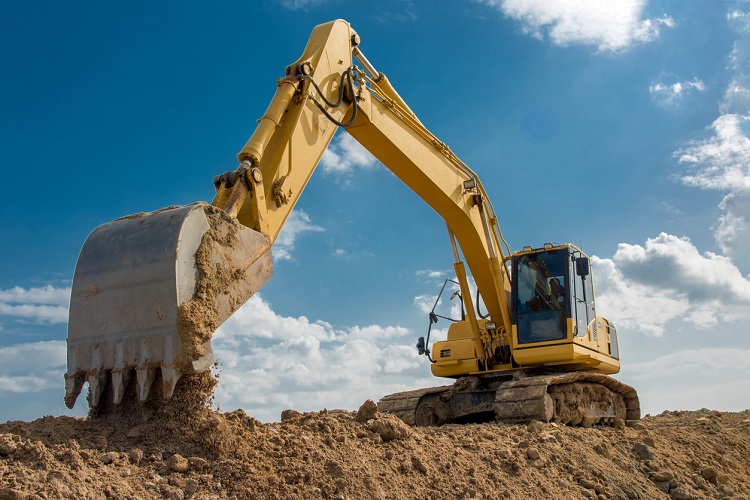

Choosing the right excavator size is one of the most important decisions you’ll make when planning a construction or earthmoving project. Excavators come in a wide range of sizes—from compact models that maneuver through tight spaces to heavy-duty machines designed for major excavation work. Picking the wrong size can slow your project down, increase your costs, or even damage your job site.
This guide breaks down how to select the right excavator size based on your specific needs, site conditions, and type of work. We’ll also explain the different categories of excavators and when it makes sense to explore options like large excavator rentals for bigger jobs.
Table of Contents
Why Excavator Size Matters
Excavators are powerful machines designed for digging, lifting, demolition, and more. But using one that’s too big or too small for the task can lead to problems.
If your excavator is too large for your job site, you could run into maneuverability issues, cause unintended damage, or pay more than necessary in rental and fuel costs. If it’s too small, the machine may not have the reach or power to get the job done efficiently.
That’s why size isn’t just about how much dirt an excavator can move—it’s about matching the machine to your workflow, terrain, and scope of work.
Excavator Size Categories
Excavators are generally grouped into four categories based on their operating weight and capabilities:
1. Mini Excavators (0–6 tons)
Mini or compact excavators are ideal for smaller jobs in tight spaces. They’re often used in residential projects like digging trenches for utilities, landscaping, and light demolition.
- Best for: Backyard work, utility installation, small-scale trenching
- Pros: Easy to maneuver, minimal ground disturbance, lower transport costs
- Limitations: Limited digging depth and lifting capacity
2. Midi Excavators (6–10 tons)
Midi excavators offer more power than mini models but still maintain good maneuverability. They’re often used for light commercial work, drainage projects, and utility trenching.
- Best for: Medium residential or commercial jobs
- Pros: Increased lift and reach, still compact enough for tight sites
- Limitations: Not ideal for heavy digging or large-scale removal
3. Standard Excavators (10–45 tons)
This is the most versatile category and includes the types commonly seen on construction sites. They handle everything from foundation digging and roadwork to moderate demolition.
- Best for: General construction, roadwork, moderate demolition
- Pros: Excellent digging depth, lifting capacity, and attachment compatibility
- Limitations: Requires more space and transportation support
4. Large Excavators (45+ tons)
Large excavators are designed for heavy-duty work on big job sites. They’re capable of handling bulk excavation, mining, deep trenching, and large demolition tasks.
- Best for: Major earthmoving projects, pipeline construction, deep foundations
- Pros: High power, deep digging capabilities, large bucket sizes
- Limitations: Expensive, harder to transport, needs ample space
How to Choose the Right Size for Your Project
Assess Your Job Site
Start by evaluating the size and layout of your project site. If the area is confined—like in residential neighborhoods or urban lots—you’ll need to prioritize maneuverability. In these cases, compact or midi excavators are usually best.
On larger commercial or open sites, there’s more flexibility. If you’re digging large foundations, moving heavy material, or working on infrastructure projects, a standard or large excavator might be necessary.
Consider the Depth and Reach Needed
Each size class has different digging depths and reach capabilities. Make sure the excavator you choose can reach the required depths for trenching or foundation work. Mini excavators typically max out at around 7–10 feet, while larger models can dig 20 feet or deeper.
Also think about vertical reach if you’re dumping material into trucks or clearing debris from elevated areas.
Know the Type of Material You’re Moving
Excavator size should also reflect the density and volume of the material you’re working with. For soft soil or light-duty work, a smaller excavator may be enough. For compacted dirt, clay, or rock, more power will be needed—especially if attachments like breakers or rippers are required.
Match the Excavator to Your Attachments
If your project involves more than just digging, consider which attachments you’ll use—like augers, hammers, grapples, or thumbs. Not all attachments are compatible with every excavator size. The hydraulic capacity and auxiliary lines needed to operate certain attachments may require a mid-sized or full-sized machine.
Evaluate Transportation and Access
Larger machines require specialized transport and more space for loading and unloading. If your site is hard to access or has weight restrictions, that could limit your options. Mini and midi excavators can often be hauled with standard trailers, while large excavator rentals typically require a heavy-duty transport plan.
When to Consider Large Excavator Rentals
Large excavators aren’t always the default choice, even for commercial contractors. Their power and reach are unmatched, but they also come with higher operating costs, fuel use, and transport logistics.
However, large excavator rentals are worth considering for:
- Large-scale site clearing or mass excavation
- Infrastructure projects like highways or bridges
- Pipeline installation requiring long, deep trenches
- Demolition of large structures
- Quarry and mining operations
Renting gives you access to high-performance machines without the long-term investment. You’ll also benefit from maintenance support, updated features, and better flexibility—especially if your project scope changes.
Tips for Working With Rental Providers
If you’re planning to rent, work with an equipment supplier that understands your needs. Be clear about:
- The size and type of excavator you need
- Attachment compatibility
- Terrain and access conditions
- Job duration and work schedule
A reputable provider will help you avoid overspending and make sure your equipment is ready when and where you need it.
Some providers may even offer job site consultations to recommend the best size based on your exact specs—particularly if you’re considering large excavator rentals for more demanding jobs.
Final Thoughts
The right excavator size can save time, lower costs, and keep your project moving efficiently. From mini models for backyard trenching to full-sized machines for deep excavation, there’s an ideal fit for every job. It all comes down to understanding your site conditions, project scope, and attachment requirements.
If you’re unsure what size is right for your next project, connect with a trusted rental provider to walk through your options. And when heavy-duty power is a must, large excavator rentals offer the muscle and depth to take on even the toughest terrain—without the long-term cost of ownership.