
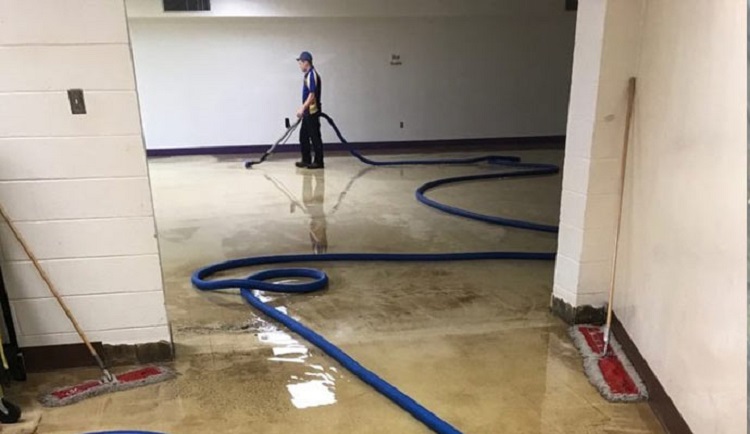

Restoring water-damaged properties requires a structured approach to prevent further deterioration and mold growth. After a comprehensive examination to determine the amount of damage, the method immediately extracts the water using specialist equipment. Drying and dehumidification are crucial to eliminate moisture, preventing structural issues and microbial contamination.
Professional restoration teams employ advanced techniques to accelerate drying, such as infrared moisture detection and industrial-grade air movers. Cleaning and sanitization help remove contaminants and odors, ensuring a safe living environment. Repairing structural damage, from drywall replacement to flooring restoration, is the final step in returning the property to its original condition.
Quick action minimizes long-term expenses and potential health hazards. To reduce future problems, homeowners can consider preventive measures like better waterproofing and drainage. Property owners can efficiently recover from water damage and protect their homes from lasting harm. By understanding and applying these restoration techniques
Table of Contents
Introduction to Water Damage Restoration
Water damage is an unfortunate inevitability for many property owners, arising unexpectedly and often leaving a trail of destruction. Sources of water damage can range from natural events like heavy rainfall and floods to artificial issues such as plumbing failures or faulty appliances. Understanding the essentials of water damage restoration is crucial for effectively and efficiently tackling these situations. This process involves immediate intervention and long-term solutions to prevent future occurrences, emphasizing the importance of expertise and Disaster Restoration Services Thornton in guiding property owners to safe, dry outcomes.
Effective restoration practices are vital for mitigating the ramifications of water damage, which extend beyond the visible to potentially hidden structural threats and health hazards. Unchecked water damage can eventually result in expensive repairs, and mold and bacteria can grow in moist settings, endangering the health of residents. Hence, informed decision-making and prompt action are essential to safeguard property and life. This calls for a comprehensive understanding of what constitutes water damage and the processes involved in restoring a water-damaged property to its pre-damage state.
Understanding Different Types of Water Damage
Water damage doesn’t come in a one-size-fits-all package. Recognizing the different kinds of water damage is the first step in devising an appropriate response strategy. The three primary water damage categories include:
Clean Water
Clean water damage originates from leaks or rainwater. While it may seem harmless due to its explicit nature, it can seep into walls and floors if left unattended, fostering conditions that encourage mold growth. Prompt mitigation efforts are necessary to prevent it from escalating into more severe damage. This type often results from sources like overflowing sinks, broken water lines, or rainwater intrusion—each presenting unique challenges despite their seemingly innocuous nature.
Gray Water
Gray water arises from sources like sinks, showers, or washing machines. Although not overtly dangerous, it can contain soap, detergent, or food residues that complicate the cleaning process. Prolonged exposure to gray water can increase health risks and lead to further material degradation. More insidiously, gray water can harbor harmful microorganisms that pose additional health risks, necessitating swift and careful extraction and sanitation efforts to prevent further contamination.
Black Water
The most severe, black water, is often a byproduct of sewage or flooding. It carries chemicals, bacteria, and waste materials that pose serious health risks. This category of water damage demands urgent professional intervention to manage the significant health and safety hazards it presents. The toxic nature of black water increases the potential for severe illness and complicates restoration efforts by introducing biohazards that require specialized handling and protective measures.
The Importance of Quick Response
Speed is a critical element in addressing water damage to minimize its influence. Rapid response can significantly curtail the potential for long-term structural and health issues caused by water intrusion. Immediately tackling the damage not only limits the water’s destructive power but also restricts opportunities for mold and bacteria to colonize the affected zones. The faster the response, the lower the overall damage, making time a crucial factor in effective water damage management.
According to studies and industry insights, responding quickly to water damage can reduce repair costs and prevent complications. This article provides critical information on why timing is essential. By promptly engaging in the water extraction process and initiating drying protocols, property owners can prevent costly deterioration of materials and structures, thereby preserving the integrity of their investment and ensuring the safety of occupants.
Essential Tools and Equipment for Restoration
Having the right tools is imperative for restoring water-damaged areas effectively. Key equipment includes:
- Industrial-strength dehumidifiers are crucial for removing excess moisture from the air and preventing mold growth. These machines are designed to handle large volumes of air, efficiently extracting moisture to create a dry and stable environment.
- High-velocity air movers help efficiently dry walls and flooring. By promoting airflow, these devices expedite evaporation, reducing drying time and minimizing the potential for secondary damage.
- Moisture meters are essential for detecting water content in materials and ensuring thorough drying of spaces. These meters provide precise readings that guide the restoration specialist in assessing when areas are sufficiently dry, preventing overlooked moisture pockets that could harbor mold.
With these tools, specialists can precisely tackle even the most challenging water-damaged environments. The strategic use of technology ensures that restoration efforts are practical and efficient, restoring normalcy to disrupted environments as swiftly as possible.
Step-by-Step Water Damage Restoration Process
- Inspection and Assessment: This step involves a comprehensive evaluation to gauge the extent of damage and inform a tailored restoration plan. It identifies all affected areas, including those not immediately visible, and determines the best approach for restoration.
- Water Removal: Advanced pumps and vacuums engage to extract standing water, reducing the potential for further damage. Swift and effective water extraction prevents the saturation of structural elements, which can lead to warping or weakening.
- Drying and Dehumidification: Specialized equipment dries out the environment thoroughly, a crucial step in deterring mold growth. This involves carefully monitoring humidity levels to ensure that all moisture has been removed, safeguarding against future mold development.
- Cleaning and Sanitizing: Disinfecting and cleaning ensure that all contaminants and debris are cleared, restoring the area to a sanitary state. This step is particularly critical in black or gray water areas, as it addresses potential health hazards associated with contamination.
- Restoration: This final stage repairs and reconstructs any affected structures, returning the property to its pre-damage condition. Depending on the degree of damage, restoration may need more involved fixes, such as replacing wallboard, flooring, or carpets.
Every stage of the restoration procedure is essential to restoring the property to livable condition and protecting it from future water damage.
Common Challenges in Water Damage Restoration
Despite best efforts, restoration can be hindered by several challenges. Hidden moisture, often trapped in walls or under floors, can evade detection without specialized equipment. Furthermore, different materials absorb water at varied rates, complicating drying efforts. Mold growth presents an omnipresent threat if moisture is not entirely removed, a concern exacerbated by delayed or inadequate response.
Overcoming these challenges requires expertise and strategic application of technology. Learn more about effective strategies to tackle these hurdles from industry experts who provide valuable insights into innovative solutions. To navigate these hurdles, a thorough understanding of materials, moisture dynamics, and the effects of environmental conditions on restoration outcomes is necessary. Leveraging such knowledge, professionals can devise adaptive strategies that optimize the efficiency and success of restoration efforts.
Preventive Measures: Protecting Your Property
Preventing water damage before it occurs is the most effective strategy. Regular maintenance reduces risk by checking plumbing and ensuring gutters are clean and properly functioning. Installing waterproof barriers and backup sump systems protects the property against potential water threats. By recognizing potential weaknesses and putting preventative measures in place, property owners can drastically lower the chance of water intrusion and lessen damage if it does occur.
Implementing these preventive measures can effectively shield a property from the onset of water damage, preserving its integrity and value. In conjunction with an emergency response plan, which outlines immediate actions and contacts in the event of water damage, these strategies form a comprehensive defense against water intrusion’s unpredictable and potentially devastating effects.
Conclusion: Ensuring a Dry and Safe Environment
Water damage restoration is a non-negotiable when protecting your property from the harsh effects of water intrusion. Following a structured, informed approach to restoration and utilizing appropriate tools and techniques can restore the environment to its former, secure state. It’s about acting swiftly and employing the right expertise to maintain a dry, safe space for all occupants. Property owners may effectively protect their investments and guarantee a safe living or working environment by being aware of the subtleties of water damage and the need for prompt and comprehensive restoration.
Effective water damage management requires planning, quick response, and the strategic use of technology and knowledge to create a strong defense against similar catastrophes in the future. As such, informed restoration practices are instrumental in transitioning from reaction to prevention, underpinning the ongoing safety and resilience of both structures and their inhabitants.