
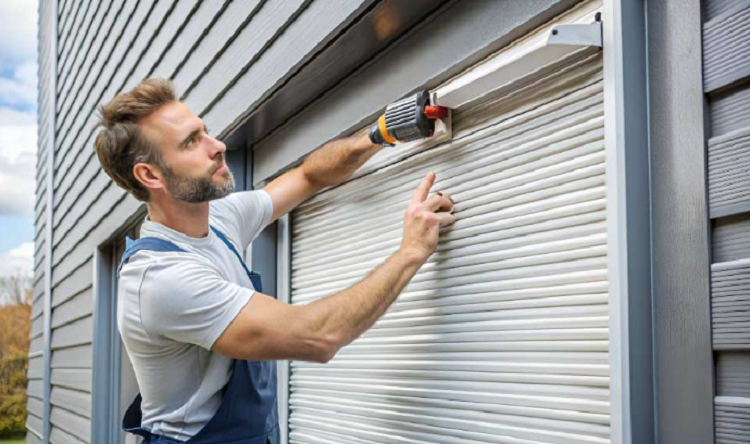

Your garage door springs are an essential part of your garage door operating smoothly. If they fail, it can be frustrating and even hazardous. Knowing the reasons for spring failure, how to fix them, and how to avoid future problems can help prolong the life of your garage door system.
Table of Contents
Causes of Garage Door Spring Failure
1. Wear and Tear
Garage door springs have a limited lifespan and are rated to open 10,000 to 20,000 times. Heavy usage causes them to wear out faster, weakening the metal until it finally snaps.
2. Rust and Corrosion
Rust accumulation on the springs can deteriorate the metal and cause them to snap more easily. Humidity and moisture are usual causes of rust buildup.
3. Improper Maintenance
Lack of lubrication and regular checks can cause premature wear. Springs require periodic servicing to run smoothly.
4. Unbalanced Garage Door
If your garage door is unbalanced or misaligned, the springs will be subjected to unequal stress, which causes premature failure.
5. Extreme Temperature Fluctuations
Metal springs will become brittle in cold weather, and heat can weaken them. Temperature fluctuations cause the springs to expand and contract, which causes them to break down with time.
How to Fix a Broken Garage Door Spring?
1. Identify Signs of Failure
- Loud cracking noise
- The garage door does not open or is difficult to open
- Crevices are visible in the spring
- Loose or hanging cables
2. Don’t Attempt DIY Fixes
Garage door springs are in high tension and can be hazardous to work with. DIY repair can lead to severe injury. It’s recommended to have a professional technician fix it safely and correctly.
3. Professional Spring Replacement
A professional garage door repair technician will employ the proper tools and methods to replace the faulty spring safely, ensuring balanced and smooth operation.
Avoiding Garage Door Spring Failure
1. Regular Lubrication
Using a silicone-based lubricant every few months minimizes friction and rust buildup.
2. Schedule Routine Inspections
Inspecting your springs for wear, rust, or misalignment can alert you to problems early on before they cause failure.
3. Balance Your Garage Door
A professional can check and balance the door’s balance to apply even stress on the springs.
4. Replace Springs in Pairs
When one spring breaks, it is probable that the other is on its way out too. Replacing them both provides even wear and avoids potential issues.
5. Use High-Cycle Springs
Use longer-life springs at 20,000+ cycles to make them more durable and minimize the need for replacement.
This article was written by a professional at 1 Stop Garage Doors. https://1-stopgaragedoors.com/ proudly serves homeowners and businesses with top-quality garage door installations and repairs. We install premium doors and openers from trusted brands, ensuring reliability and customer satisfaction. Our expert team provides cost-effective solutions, arriving with fully stocked trucks to handle repairs on the spot, including torsion spring replacements, drum and roller fixes, and general maintenance to keep your garage door functioning smoothly.