

Table of Contents
Essential Roof Maintenance
Keeping your roof in optimal condition is one of the most important responsibilities for any homeowner. A roof is much more than just a protective barrier for your house—it is essential to maintaining your family’s safety, the energy efficiency of your home, and its long-term value in the real estate market. Routine roof maintenance prevents leaks, extensive water damage, and costly repairs that can result from neglect. By taking a proactive approach, you not only avoid expensive emergencies but also extend the life of your roof, boost your property’s curb appeal, and create a more comfortable living environment. For expert insight and solutions tailored to your specific needs, the Springfield roofing experts offer comprehensive service and ongoing care. Establishing a regular maintenance plan today will save you stress, money, and headaches tomorrow.
Neglecting your roof can have far-reaching consequences that may not become obvious until it’s too late. Undetected leaks lead to rot, mold, and structural instability. Clogged gutters can result in foundation damage, and poorly maintained roofs often result in higher heating and cooling bills. Over time, minor issues left unnoticed can evolve into full-scale emergencies, sometimes requiring complete roof replacement. With that in mind, the following are the most effective roof maintenance strategies every proactive homeowner should incorporate into their home care routine. By following these detailed steps, you’ll drastically reduce risks and enjoy greater peace of mind.
Regular Inspections
Conducting regular roof inspections, ideally every spring and fall, is the foundation of an effective roof care routine. Inspections enable you to identify potential issues early, before they escalate into costly problems. During an inspection, carefully examine the entire roof, including hard-to-see areas like roof valleys, around chimneys, and underneath eaves. Look for missing, cracked, or curling shingles, damaged flashing or underlayment, clogged soffit vents, tiny water stains in the attic, and any evidence of animal intrusion. Using a thorough inspection checklist ensures that no issue is overlooked. It’s always advisable to perform inspections after severe weather such as hail, heavy wind, or ice storms, as these can accelerate wear. Remember, acting early on minor issues virtually always saves substantial repair costs down the line, preserves your roof’s integrity, and keeps your home safe and dry.
Cleaning Gutters
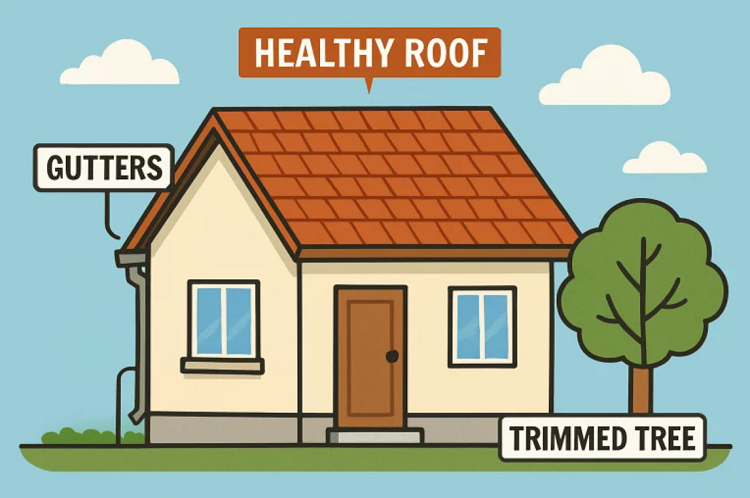
The importance of keeping your gutters clean cannot be overstated—gutters are your roof’s first line of defense against water damage. At minimum, schedule a gutter cleaning twice each year: once after autumn leaf fall and again in late spring. If your home is surrounded by trees or subject to frequent storms, you may need to clean them more often. When gutters become blocked, rainwater backs up onto the roof and pools near the foundation, resulting in rotted fascia boards, warped soffit, and even basement flooding and structural damage. During each cleaning session, physically remove all debris from the gutters and ensure that water flows freely down the downspouts. Inspect for any cracks, sagging sections, or improper alignment, as these can compromise drainage. Prompt repairs to these issues minimize the risk of overflow and water intrusion.
- Clear out leaves, twigs, and debris from gutters and downspouts to ensure free water flow.
- Repair visible cracks, holes, or sagging gutter segments without delay.
- Be vigilant for rust or water runoff marks that may indicate hidden leaks.
Trimming Overhanging Branches
Overhanging branches pose a hidden hazard to your roof, causing both immediate and long-term damage. Large limbs can break and fall during windstorms, while smaller branches continually brush against shingles, leading to abrasions and puncture marks that allow water infiltration. Overhanging foliage also promotes the accumulation of debris on the roof surface, contributing to clogged gutters and the growth of moss or algae due to increased shade and moisture. It is best practice to keep all tree limbs at least six feet away from the roofline—not only does this preserve your roofing materials, but it reduces the likelihood of animals such as squirrels and raccoons gaining access to your attic. Don’t overlook vines, moss, or other growth directly attached to your roof, as these can trap moisture and quicken material deterioration.
- Routinely trim all branches and remove organic debris from around the roof.
- Remove moss, vines, or other plant life to prevent hidden damage and water retention.
Addressing Moss and Algae
Moss, lichens, and algae thrive in cool, shaded, and moist environments, often taking hold of homes situated under trees or in regions that experience high humidity. Though these organisms may seem harmless at first, they retain moisture against the roof surface, which gradually causes wood rot and shingle decay. If you spot green patches or dark streaks on your shingles, plan for safe removal using gentle tools—a stiff brush or low-pressure water wash—and avoid harsh chemicals or aggressive scraping that could damage roofing materials. For persistent cases, consult a professional who can apply preventive solutions such as zinc or copper-based treatments, which safely inhibit regrowth. Routine inspections are essential, as certain roof types—particularly those made of asphalt or wood—are more susceptible to rapid deterioration. Always take extra safety precautions when using ladders or working on sloping surfaces.
Ensuring Proper Ventilation
Proper attic ventilation is a crucial yet often overlooked part of maintaining a healthy, long-lasting roof. When your attic is well ventilated, it allows hot air to escape in the summer, which reduces the risk of heat-induced shingle warping and excessive energy consumption. In winter, good ventilation prevents moisture condensation and ice damming, common causes of mold, mildew, and wood rot. Poor airflow shortens the lifespan of both shingles and underlayment and can lead to costly structural repairs. According to The Spruce, ensuring a balanced system of intake and exhaust vents is key to achieving adequate airflow that protects your entire roofing system. To promote proper ventilation, ensure that both ridge and soffit vents are unobstructed and consider updating the attic insulation if necessary. Not only does this protect your roof, but it also helps stabilize indoor temperatures, saving you money on heating and cooling throughout the year.
Prompt Repairs
Delaying minor roof repairs is a mistake that can result in thousands of dollars in avoidable damage for homeowners. Small issues—such as missing or damaged shingles, tiny leaks, or loose flashing—can quickly grow into severe rot, compromised insulation, and interior mold growth. After any heavy storm, walk through your attic and around your home’s exterior to check for water marks, soft spots, or visible holes. Timely repairs safeguard your home’s structural integrity, prevent mold and energy inefficiency, and help maintain your property’s value.
Common Signs Repairs Are Needed
- Water spots are appearing on the ceilings or the top edge of the walls.
- Buckled, split, or missing sections of shingles.
- The accumulation of shingle granules in gutters or on driveways indicates advanced wear.
- Noticeable sagging or dark streaks on the roof decking inside the attic.
Professional Assessments
While many tasks can be handled by attentive homeowners, scheduling professional roof assessments assures that concealed or complex issues won’t go undetected. Professional roofers utilize specialized knowledge and equipment to thoroughly inspect flashing, sealant, chimney joints, underlayment, skylight seals, and other vulnerable areas. They can accurately determine when a roof should be repaired versus replaced, taking into account materials, age, and weather exposure. Many contractors also develop customized long-term plans for continued maintenance, providing regular checkups and expert repairs with minimal hassle.
Seasonal Preparations
The changing seasons present unique challenges for roofing systems, especially in areas exposed to hurricanes, intense hail, or heavy snow and ice. Before the arrival of adverse weather, perform a thorough evaluation of your roof’s condition—look for loose tiles or shingles, missing flashing, or sagging sections and address problems before they are compounded by high winds, debris impact, or freezing and thawing cycles. Clean gutters and downspouts ahead of rainy or snowy seasons to prevent blockages. If you are unsure whether your roof can handle harsh weather, consult a licensed inspector to identify vulnerabilities and reinforce trouble spots. Scheduling a seasonal inspection and maintenance in advance ensures your home is prepared to withstand the elements and reduces post-storm repair costs.
- Secure and reinforce vulnerable shingles, tiles, and flashing before the start of any storm season.
- Thoroughly clean all water channels and drainage points before the first freeze or heavy rainfall.
- Arrange for a detailed professional assessment at the beginning of hurricane or winter seasons for added reassurance.
Conclusion
Maintaining your roof isn’t just about protecting shingles—it’s about safeguarding your entire home. From regular inspections and prompt repairs to cleaning gutters, managing vegetation, and ensuring proper ventilation, each strategy plays a vital role in preserving your roof’s integrity and extending its lifespan. These proactive measures help you avoid unexpected damage, lower energy costs, and maintain your property’s overall value and safety. By staying ahead of potential issues and preparing for seasonal shifts, you can enjoy peace of mind knowing your roof is ready to weather whatever comes its way.