
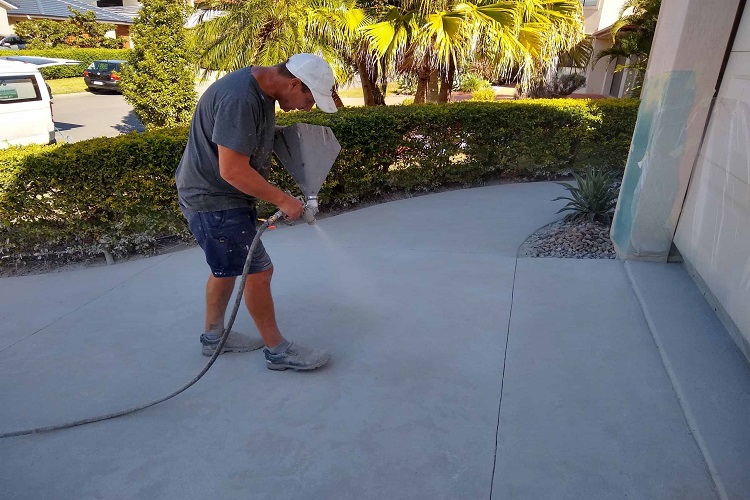

Concrete resurfacing involves applying a new, often decorative, surface over existing concrete to cover blemishes or restore a tired look. This method has gained traction for its efficiency and ability to transform spaces without the disruptive, wasteful process of demolition. It’s an efficient way to restore the look and functionality of spaces without needing complete removal. Often utilized as a practical solution for damaged or aged surfaces, this method is gaining popularity for its practical benefits and diverse aesthetic possibilities. You might think of it as a facelift for your pavement or patio, giving old surfaces a modern, refreshed appearance while maintaining structural integrity. The process is convenient, usually taking just a few days from start to finish, which is a fraction of the time needed for complete replacement. By revitalizing existing infrastructure, owners preserve not only the surface but also the character and history of the architectural footprint.
Concrete resurfacing can breathe new life into tired, worn spaces. In many urban environments, properties with cracks and blemishes can significantly detract from their curb appeal. Owners might face depreciation in property values and increased safety hazards due to deteriorating surfaces. Imagine walking onto a patio or driveway elegantly refreshed to look brand new instead of requiring an expensive overhaul. This innovative process is cost-effective and environmentally friendly, preventing unnecessary waste by rejuvenating existing materials. Whether considering a fresh look for a sidewalk repair Pompano Beach or enhancing your residential driveway, this process offers a versatile solution that doesn’t require tearing everything out and starting anew. By applying a new layer over existing concrete, the benefits extend beyond aesthetic appeal, offering both economic and durability advantages for homeowners and business operators alike.
Table of Contents
Benefits of Resurfacing
One of the most significant advantages of resurfacing is its affordability compared to replacing concrete entirely. Cost savings are particularly evident in larger areas, such as commercial flooring and expansive driveways. Property managers can allocate resources to other essential areas by choosing to resurface, maximizing their budget efficiently. More than just economical, resurfacing offers practicality; it enhances durability and extends the lifespan of existing structures, presenting a sustainable option in the fight against excessive waste production. Additionally, it minimizes disruption since the existing surface remains intact, making it convenient for both residential and commercial settings. This reduced downtime is particularly beneficial for businesses that cannot afford prolonged closure. Furthermore, residential homeowners find resurfacing appealing because it allows them to quickly enhance property value and aesthetics without long-term inconvenience, resulting in immediate curb appeal.
Resurfacing also offers a wide range of customization options, from decorative finishes to color treatments, allowing property owners to tailor the appearance to match their desired aesthetic. These enhancements improve functionality and contribute to a polished, modern look that can elevate the overall ambiance of the space. Moreover, many resurfacing materials are now designed with eco-friendly formulations, supporting sustainable building practices. This makes resurfacing an environmentally conscious choice for those seeking to reduce their carbon footprint. As awareness around green construction grows, resurfacing continues to gain popularity as a smart, responsible alternative to full concrete replacement.
Common Applications
From the practical to the decorative, resurfacing is ideal for various structures and allows for space modification without significant renovations. It suits surfaces like driveways, walkways, patios, and commercial floors. Pool decks, for instance, can benefit tremendously from resurfacing, as they can add slip-resistant features to ensure safety without compromising on looks. This versatility makes it a go-to solution for home improvements and business renovations, providing aesthetic enhancement and functionality. Understanding these applications helps tailor resurfacing solutions to specific needs, offering practicality and style. The potential uses are vast and varied, from providing non-slip surfaces in wet environments to revitalizing historic sidewalks in urban areas. Resurfacing can even integrate subtle color accents and proprietary blends unique to the property, catering to individual tastes.
Additionally, resurfacing can help correct minor surface imperfections, such as cracks or uneven textures, extending the life of older concrete without needing full replacement. Commercial spaces can utilize resurfacing to maintain a professional appearance while adhering to safety standards through textured finishes. In residential settings, stamped and stained overlays allow homeowners to mimic the look of natural stone, tile, or brick at a fraction of the cost. This not only enhances curb appeal but also increases property value. With so many finishes, patterns, and colors available, resurfacing provides a customizable solution that adapts to nearly any architectural style or surface requirement.
Techniques and Materials
The techniques for resurfacing concrete are diverse, ranging from sophisticated stamped patterns to simple overlays. Depending on the required finish and functionality, materials like epoxy, polymer-based compounds, and micro-topping are used. The material and method depend on the surface’s intended use and environmental exposure. Matching techniques to desired outcomes is crucial to ensure durability and style. These methods restore the surface’s exterior and add slip resistance and weather resilience, making them practical for various climatic conditions. For example, epoxy coatings can be used in areas with essential chemical resistance, such as garage floors. At the same time, micro-topping might be chosen for its ability to mimic the look of polished stone. Advanced techniques today incorporate UV-stable coatings to prevent discoloration under harsh sunlight, thereby considerably extending the lifecycle of the treated surface.
Design Aesthetics and Options
Resurfacing does more than refresh; it transforms spaces by offering endless design possibilities. Gone are the days when a concrete surface meant a grey, monotonous slab. Modern techniques allow concrete to be colored, textured, and imprinted to create stunning visuals that suit any design aesthetic. Options range from sleek, contemporary patterns to textures that mimic natural stones like granite or slate. These design choices allow for personalization, enhancing the visual appeal of any space while maintaining functionality. Imagine a driveway with the appearance of expensive cobblestones but with durability and low concrete maintenance. The ability to incorporate logos, patterns, and custom colors makes resurfacing an exciting choice for creative projects and custom designs. Your imagination is the limit – whether integrating artistic borders or complex geometric patterns, resurfacing offers a canvas of possibility.
Maintenance Tips for Longevity
Maintaining resurfaced concrete surfaces is simple yet essential for preserving their appearance and functionality. Routine maintenance ensures that the surface remains protective and visually appealing. Regular cleaning to prevent debris build-up, applying high-quality sealants to protect from stains and wear, and ensuring the surface is dry after cleaning will keep it looking fresh. Additionally, protective coverings can prevent damage from harsh weather conditions, extending the life and beauty of the surface. Employing professional maintenance services can offer peace of mind and maintain safety standards for business settings. An investment in quality maintenance preserves your investment and protects against costly repairs. Property owners can sustain the resurface’s integrity and appearance over time by scheduling routine inspections and applying periodic touch-ups or re-coating.
Addressing Common Concerns and Misconceptions
Some concerns about resurfacing revolve around its durability and suitability for varying climates. Skeptics often wonder if the process can hold up in harsh conditions. When appropriately executed by professionals, resurfaced areas are robust and adaptable to different situations. Technological advancements have led to the development of materials and methods capable of weathering extreme temperatures, moisture variations, and physical stress. Understanding these strengths can dispel myths and provide confidence in the process. For instance, in areas prone to freezing and thawing, properly treated and sealed surfaces can withstand these challenges effectively, preventing cracking and degradation, an advantage over untreated bare concrete.
Future Trends in Resurfacing
Concrete resurfacing is evolving, with exciting trends like eco-friendly materials and digital technology integration making inroads. Innovative materials developed with reduced carbon footprints and sustainable practices lead the charge in greener surfacing options. One such innovation is using recycled materials and sustainable additives in overlay mixes, offering a more environmentally conscious choice. These technologies are poised to redefine standards, offering sustainable options and enhanced design capabilities. Sustainable practices increasingly influence material choices and construction methods, giving consumers more options to choose eco-friendly products without compromising performance.
Additionally, digital tools that allow precision design and virtual visualization, challenging traditional boundaries and inviting more personalized customer experiences are emerging. In the future, this sector is expected to embrace augmented reality for innovative planning and installation phases, aligning with consumer demands for modernized, efficient service offerings. As contractors adopt these digital advancements, clients can preview resurfacing outcomes in real time, streamlining decision-making and improving satisfaction. Integrating smart sensors into resurfaced concrete is also gaining traction, enabling real-time monitoring of structural integrity and environmental conditions. Together, these trends signal a shift toward smarter, more sustainable, and customer-focused solutions in the world of concrete resurfacing.