
Transform Your Interior: Expert Advice on Flooring, Coatings, and Professional Painting

Table of Contents
The Foundation of a Great Interior: Planning Your Renovation
Our homes are more than just buildings; they are reflections of our lives and personal sanctuaries. A well-designed interior can significantly improve daily living, offering comfort, style, and functionality. When it comes to changing these crucial spaces, thoughtful decisions about flooring, coatings, and painting are paramount.
We understand that starting on an interior renovation project can feel daunting. From selecting the right materials to ensuring a flawless finish, every detail contributes to the overall success and longevity of your space. That’s why we’ve put together this comprehensive guide.
We will explore expert advice on choosing durable and stylish flooring options. We will dig into the modern solutions offered by concrete coatings, discussing their benefits and applications. We will also highlight the importance of professional painting services for a pristine finish.
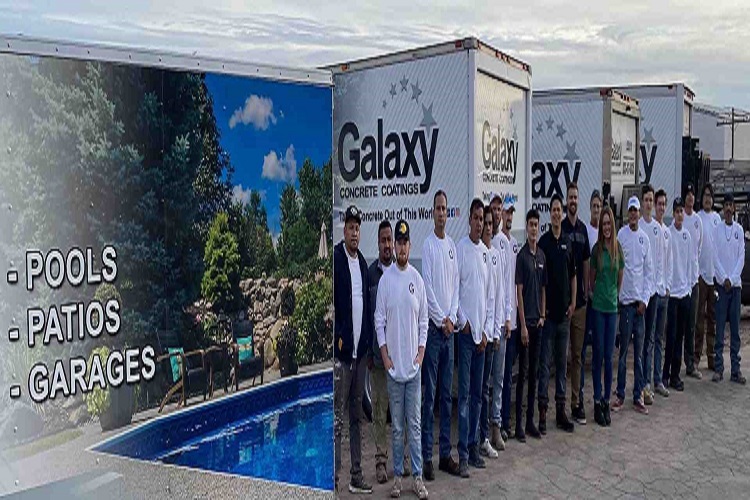
We aim to equip you with the knowledge needed to make informed choices for your next home improvement project. For those seeking specialized services from a top-tier Galaxy interior concrete coating company, understanding what to look for is key to a successful outcome.
Any successful interior change begins long before the first brushstroke or material installation. It starts with meticulous planning, a phase that lays the groundwork for a project that meets your aesthetic desires, functional needs, and budgetary constraints. Rushing this initial stage can lead to costly mistakes, delays, and ultimately, dissatisfaction with the final result.
The first step in planning is to define your vision. What is the overarching goal of this renovation? Are you aiming for a complete overhaul of a space, or is it a targeted upgrade of specific elements like flooring or paint? Consider the mood you want to create, the color palettes that resonate with you, and the functional improvements you hope to achieve. For instance, a basement renovation might focus on creating a durable, moisture-resistant recreational area, while a living room update might prioritize warmth and aesthetic appeal. Gathering inspiration from design magazines, online galleries, and showrooms can help solidify your ideas and create a cohesive design theme.
Budgeting is another critical component. A comprehensive budget should account for materials, labor, contingency funds (typically 10-20% of the total budget for unforeseen issues), and any additional costs such as temporary storage or alternative living arrangements if the renovation is extensive. Understanding the financial scope from the outset allows for realistic choices and helps in prioritizing aspects of the project. It’s important to differentiate between “wants” and “needs” and be prepared to make compromises if necessary to stay within your financial limits.
Defining the project scope involves detailing every aspect of the renovation. This includes specifying the types of materials to be used, the exact areas to be renovated, and the timeline for completion. For example, if you’re renovating a garage, the scope might include concrete floor preparation, application of a specific coating system, and perhaps even wall painting and storage solutions. A clear scope provides a roadmap for both you and your contractors, ensuring everyone is aligned on the objectives and deliverables. This level of detail helps in obtaining accurate quotes and preventing scope creep, where additional tasks are added, often leading to increased costs and extended timelines.
Effective planning also involves considering the long-term implications of your choices. How will the new materials hold up over time? What are the maintenance requirements? Will the design remain timeless, or will it quickly become outdated? These considerations are particularly important when selecting durable elements like flooring and coatings, which represent significant investments. A well-planned renovation not only improves your living space but also contributes to the overall value and longevity of your home.
Understanding the typical phases of a renovation project can further aid your planning. Generally, these projects move through distinct stages, each requiring attention and decision-making. These phases typically include:
- Phase 1: Conception & Planning: Defining your vision, setting a budget, and outlining the project scope. This involves researching materials, gathering inspiration, and potentially consulting with designers.
- Phase 2: Design & Permitting: Developing detailed plans, selecting specific products and finishes, and obtaining any necessary permits from local authorities. This is where your vision translates into concrete specifications.
- Phase 3: Preparation & Demolition: Preparing the site, protecting existing areas, and removing old materials or structures as needed. This phase can be messy but is crucial for a clean slate.
- Phase 4: Construction & Installation: The core work, including structural changes, electrical and plumbing updates, flooring installation, coating application, and painting. This is often the longest phase.
- Phase 5: Finishing Touches & Inspection: Adding decorative elements, final cleaning, and conducting a thorough inspection to ensure all work meets quality standards and your expectations.
By understanding these phases, homeowners can better anticipate the journey of their renovation, making informed decisions at each step and ensuring a smoother, more successful outcome.
Key Elements of Your Interior Home Renovation
Choosing the Right Flooring for Durability and Style
Flooring is arguably the most impactful element in any interior space, setting the tone for aesthetics and dictating much of a room’s functionality. The right choice combines visual appeal with resilience, ensuring that your investment stands the test of time and daily wear. When starting on a renovation, homeowners are faced with a myriad of options, each with its own set of advantages and considerations.
Traditional flooring choices often include hardwood, laminate, and tile. Hardwood offers timeless elegance and warmth, capable of being refinished multiple times over decades. However, it can be susceptible to scratches and moisture damage and requires regular maintenance. Laminate provides a cost-effective alternative, mimicking the look of wood or stone with a durable wear layer, but it’s not as resistant to moisture as other options and cannot be refinished. Tile, including ceramic and porcelain, is celebrated for its extreme durability, water resistance, and versatility in design, making it ideal for kitchens, bathrooms, and high-traffic areas. Yet, it can be cold underfoot, and grout lines require diligent cleaning.
Beyond these conventional options, understanding your subfloor is crucial. Most homes feature a concrete subfloor, particularly in basements, garages, and ground-level rooms. This concrete base offers an excellent foundation but can also be a source of moisture issues if not properly managed. For those seeking truly durable home renovation flooring that leverages the inherent strength of concrete, specialized coating systems present a modern and highly effective solution.
The aesthetic impact of flooring extends beyond its material. Color, texture, and pattern play significant roles in influencing the perception of space. Lighter floors can make a room feel larger and brighter, while darker tones add sophistication and coziness. Textures, from smooth polished surfaces to rough, natural finishes, contribute to the tactile experience and overall design narrative. Functionality is equally important; considerations such as slip resistance, sound absorption, and ease of cleaning should align with the room’s purpose and the lifestyle of its occupants. For example, a family room or playroom benefits from flooring that can withstand heavy use and spills, while a home office might prioritize comfort and quietness.
The best flooring choice balances personal taste with practical requirements, ensuring that the foundation of your interior not only looks stunning but also performs flawlessly for years to come.
The Rise of Concrete Coatings: A Modern Flooring Solution
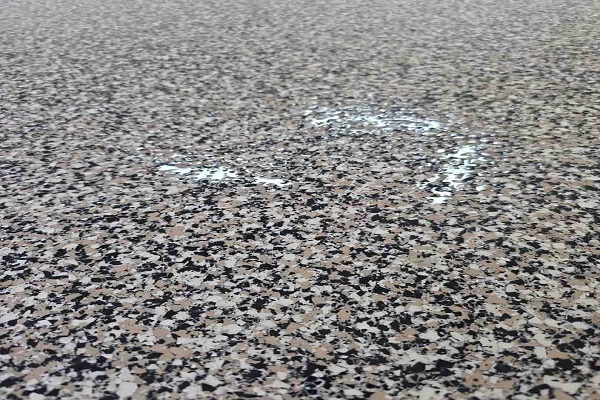
In recent years, concrete coatings have emerged as a leading-edge solution for those seeking to combine extreme durability with remarkable aesthetic versatility. Far more than just paint, these advanced systems transform ordinary concrete surfaces into high-performance floors that are both beautiful and incredibly resilient. They offer a compelling alternative or improvement to traditional flooring, particularly in areas where concrete is already present or desired as a subfloor.
The primary benefits of concrete coatings are multifaceted. First and foremost is their durability. Once applied, these coatings create a seamless, non-porous surface that is significantly more resistant to abrasion, impact, and chemical spills than bare concrete. This makes them ideal for high-traffic areas and environments prone to harsh conditions. They are also incredibly low maintenance, often requiring only simple sweeping and occasional mopping to keep them looking pristine. Unlike porous concrete, coated surfaces repel stains from oil, grease, chemicals, and even hot tire pickup, preventing substances from penetrating and causing unsightly marks. Furthermore, many modern coatings are UV stable, meaning they won’t yellow or fade when exposed to sunlight, making them suitable for both indoor and outdoor applications. From an aesthetic standpoint, concrete coatings offer unparalleled customization. They are available in a vast array of colors, textures, and finishes, including solid colors, decorative flakes, metallic effects, and quartz systems, allowing homeowners and businesses to achieve virtually any design vision. This ability to improve aesthetic appeal while dramatically improving functionality makes them a smart investment.
Let’s dig into the different types of concrete coatings:
- Epoxy Coatings: Traditionally popular, epoxy coatings are known for their hardness and chemical resistance. They are typically a two-part system (resin and hardener) that cures to form a tough, durable surface. Epoxy is excellent for industrial and commercial settings due to its protective qualities against heavy machinery and chemicals. However, standard epoxy can be brittle, prone to chipping under heavy impact, and is generally not UV stable, meaning it can yellow or chalk when exposed to sunlight, making it less ideal for outdoor or sun-drenched indoor spaces. The application process usually involves multiple coats and can take several days to fully cure.
- Polyurea Coatings: Polyurea is a more flexible and robust material than traditional epoxy. It’s highly resistant to abrasion, chemicals, and extreme temperature fluctuations. Its key advantage lies in its rapid cure time, often allowing for “one-day” installations where the floor can be returned to service within 24 hours. Polyurea is also more flexible, making it less prone to cracking or chipping from impacts or concrete movement. While generally UV stable, it’s often used as a basecoat or intermediate layer.
- Polyaspartic Coatings: A type of polyurea, polyaspartic coatings are often considered the next generation in concrete floor protection. They combine the rapid cure time and flexibility of polyurea with superior UV stability, making them an excellent choice for both indoor and outdoor applications where color retention is critical. Polyaspartic coatings are exceptionally durable, offering excellent resistance to scratches, stains, and chemicals. Some products are even claimed to be four times stronger than traditional epoxy coatings, providing a truly robust and long-lasting finish. Their quick application and return-to-service times are a major draw for both residential and commercial clients.
Here’s a comparison of these popular coating types:
Feature Epoxy Polyurea Polyaspartic Durability Hard, good chemical resistance Very durable, flexible, abrasion-resistant Extremely durable, flexible, impact-resistant Cure Time Slow (2-3 days for full cure) Fast (hours to 24 hours) Very fast (hours to 24 hours) UV Resistance Poor (can yellow/chalk) Good (often used as basecoat) Excellent (UV stable, won’t yellow) Flexibility Rigid, prone to chipping High High Application Multi-day process, sensitive to moisture Fast, can be applied in varied temperatures Very fast, can be applied in varied temperatures Strength Good Very Good Excellent (up to 4x stronger than epoxy) Concrete coatings can be applied in a vast array of locations, changing both residential and commercial spaces.
Residential Applications:
- Garages: The most popular application, changing utilitarian spaces into clean, durable, and attractive areas resistant to oil, chemicals, and hot tire pickup.
- Basements: Creating moisture-resistant, easy-to-clean, and aesthetically pleasing living spaces, home gyms, or storage areas.
- Patios & Pool Decks: Providing UV-stable, slip-resistant, and decorative surfaces that withstand harsh weather and pool chemicals.
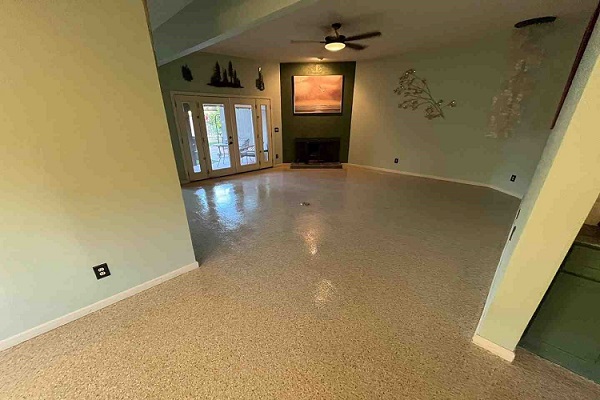
- Indoor Floors: Modern homes increasingly use coated concrete in living areas, kitchens, and hallways for a sleek, contemporary look.
Commercial Applications:
- Showrooms & Retail Spaces: Offering high-gloss, customizable floors that improve product displays and withstand heavy foot traffic.
- Commercial Kitchens: Providing seamless, hygienic, and slip-resistant surfaces that meet health and safety regulations.
- Locker Rooms & Restrooms: Durable, water-resistant, and easy-to-clean flooring solutions for high-moisture environments.
- Salons & Spas: Creating neat, easy-to-maintain floors that resist chemical spills and contribute to a luxurious ambiance.
Industrial Applications:
- Factories & Manufacturing Facilities: Extremely durable floors that withstand heavy machinery, chemical spills, and constant wear.
- Food Processing Plants: Hygienic, seamless, and chemical-resistant floors that meet strict sanitation standards.
- Machine Shops: Oil and chemical-resistant surfaces that are easy to clean and maintain safety.
- Warehouses: High-traffic floors that endure heavy loads, forklift traffic, and provide clear line striping for organization and safety.
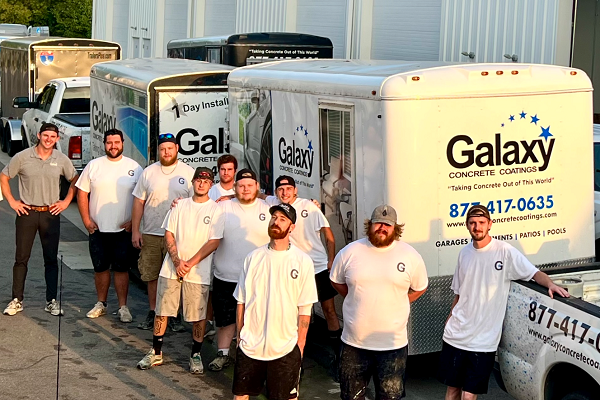
Many concrete coating companies, leveraging the advanced properties of polyurea and polyaspartic systems, offer one-day application services for their floor systems, minimizing disruption and allowing for quick return to use. This efficiency, combined with superior performance, positions concrete coatings as a top choice for modern flooring solutions.
Hiring Professionals for Your Interior Home Renovation
The success of any interior renovation, especially one involving specialized applications like concrete coatings, hinges significantly on the expertise of the professionals you choose. While the allure of DIY can be strong, the complexities of surface preparation, material mixing, and precise application often necessitate skilled hands to ensure a durable, aesthetically pleasing, and long-lasting result. Selecting the right team is an investment in quality and peace of mind.
When considering choosing a reputable concrete coating company or any renovation specialist, several factors should guide your decision-making process:
- Experience and Expertise: Look for companies with a proven track record in the specific type of work you need. An established company, for example, might have decades of experience and thousands of installations under its belt, indicating a deep understanding of materials and techniques. Experienced professionals can anticipate potential challenges and offer effective solutions, ensuring a smoother project.
- Licensing and Insurance: Verify that the company holds all necessary licenses and permits to operate in your area. Additionally, ensure they carry adequate liability insurance and workers’ compensation. This protects you from financial responsibility in case of accidents or damage during the project.
- Warranty Offerings: A strong warranty is a testament to a company’s confidence in its workmanship and products. Warranty offerings vary significantly; some companies provide a limited lifetime warranty, others a 20-year warranty, and some a 5-year guarantee, especially for outdoor applications. Understand what the warranty covers, its duration, and if it’s transferable.
- Customization Options: A professional company should offer a wide range of customization options, from colors and textures to decorative flake systems and metallic finishes. This allows you to achieve a truly personalized look that aligns with your design vision.
- Reputation and Reviews: Check online reviews, testimonials, and ask for references. A company with consistently positive feedback regarding customer service, quality of work, and professionalism is a good indicator of reliability.
- Communication and Transparency: A good contractor communicates clearly and promptly, keeping you informed about project progress, potential issues, and scheduling. They should provide detailed, written quotes that outline all costs and services.
The typical installation process for concrete coatings, while varying slightly by system and company, generally follows a structured approach designed for optimal adhesion and longevity. This often includes:
- Surface Preparation: This is arguably the most critical step. It involves thoroughly cleaning the concrete, removing existing coatings, oil, grease, and contaminants. Diamond grinding or shot blasting is often used to create a porous profile for maximum adhesion. Any cracks or imperfections are carefully repaired.
- Basecoat Application: A primer or basecoat is applied to bond with the prepared concrete.
- Flake or Decorative Element Application (Optional): If a decorative flake or quartz system is chosen, these are broadcast into the wet basecoat.
- Topcoat Application: One or more clear topcoats, often polyaspartic or polyurea, are applied to seal the system, provide UV stability, chemical resistance, and the desired finish (gloss, satin, or matte). Anti-slip additives can also be incorporated into the topcoat for improved safety.
One of the significant advantages of modern concrete coating systems, particularly polyurea and polyaspartic, is their rapid cure times. Many companies boast one-day application services, meaning the entire process, from preparation to final topcoat, can be completed within a single day, with the surface often ready for light foot traffic within hours and full return to service within 24-48 hours. This efficiency minimizes disruption to your home or business.
Beyond concrete coatings, other interior renovation projects, such as painting, also benefit immensely from professional expertise. A successful Springfield interior home renovation requires skilled painters. Whether it’s flooring or painting, entrusting your renovation to qualified professionals ensures that the job is done right, efficiently, and to the highest standards.
Final Touches and Long-Term Maintenance
Maintaining Your New Surfaces for Lasting Beauty
Investing in high-quality concrete coatings for your interior spaces is a decision that brings both aesthetic improvement and exceptional durability. To truly maximize this investment and ensure your new surfaces retain their pristine appearance and protective qualities for decades, understanding and implementing proper maintenance routines is essential. While concrete coatings are renowned for being low-maintenance, a little care goes a long way in preserving their longevity.
The beauty of a coated concrete floor lies in its seamless, non-porous surface, which inherently resists dirt, dust, and spills. Unlike bare concrete that can absorb contaminants, coated surfaces allow substances to sit on top, making cleanup remarkably easy.
Here are key maintenance practices to ensure the longevity of your concrete coatings:
- Routine Sweeping and Vacuuming: The simplest yet most effective step is regular removal of loose dirt, dust, and debris. Use a soft-bristle broom or a vacuum cleaner with a soft brush attachment. This prevents abrasive particles from scratching the surface over time, especially in high-traffic areas like garages or commercial spaces.
- Prompt Spill Cleanup: While coatings are stain-resistant, it’s always best to wipe up spills as quickly as possible. For common household spills like water, juice, or food, a paper towel or cloth is usually sufficient. For more stubborn substances like oil, grease, or chemicals, immediate attention is crucial to prevent any potential etching or discoloration, though modern coatings are highly resistant.
- Gentle Cleaning Solutions: For deeper cleaning, use pH-neutral cleaning solutions. Harsh chemicals, abrasive cleaners, or strong detergents can potentially dull the finish or, in rare cases, compromise the coating over prolonged use. A solution of warm water and a mild dish soap is often all that’s needed. For tougher spots, a white vinegar and baking soda solution can be effective. Always rinse the floor thoroughly with clean water after cleaning to remove any soap residue, which can attract dirt.
- Avoid Abrasive Tools: Steer clear of steel wool, abrasive scouring pads, or stiff-bristle brushes, as these can scratch the surface of your coating. Microfiber mops and soft brushes are ideal for cleaning.
- Protective Measures for Heavy Objects: In areas like garages or workshops, consider using protective pads or mats under heavy equipment, vehicle jacks, or furniture legs. This helps distribute weight and prevents localized pressure points that could potentially damage the coating. If you frequently park vehicles, especially in a garage, hot tire pickup is rarely an issue with polyurea or polyaspartic coatings, but protective mats can add an extra layer of reassurance.
- Outdoor Coating Considerations: For exterior applications like patios or pool decks, maintenance is similar but may also involve occasional pressure washing with a wide spray nozzle and low pressure to remove accumulated dirt or algae. Ensure the cleaning solution used is suitable for outdoor concrete coatings. Some outdoor coatings may come with a 5-year limited guarantee, highlighting the importance of proper care to meet warranty conditions.
By adhering to these straightforward maintenance guidelines, your concrete coatings will continue to perform optimally, resisting wear, maintaining their aesthetic appeal, and providing a durable, functional surface for many years, enhancing the overall value and enjoyment of your space.
The Financials of an Interior Home Renovation
Understanding the financial aspects of an interior home renovation is as crucial as the design and material selection. While we cannot provide specific pricing, we can outline the key cost considerations and options that will impact your overall budget, helping you make informed decisions.
Several factors directly influence the cost of a concrete coating project, or any renovation:
- Square Footage: This is typically the primary determinant of cost. Larger areas require more materials and labor, naturally increasing the overall expense.
- Material Quality and Type: The choice of coating system (epoxy, polyurea, polyaspartic) and its specific formulation (e.g., industrial-grade vs. standard residential) will affect the price. Higher-performance systems, offering superior durability, UV stability, and chemical resistance, generally come at a higher cost. Decorative options like full-flake systems or metallic finishes also add to material costs.
- Surface Condition and Preparation: The existing condition of your concrete floor plays a significant role. Floors requiring extensive crack repair, leveling, or removal of old coatings will incur additional preparation costs. Proper surface preparation is non-negotiable for a long-lasting coating, so skimping here can lead to premature failure and more expensive repairs down the line.
- Labor Costs: The expertise and efficiency of the installation team contribute to the cost. Highly skilled and experienced professionals, who can often complete projects quickly (sometimes in just one day for many concrete coating systems), command appropriate rates. This labor cost reflects their training, specialized equipment, and the guarantee of a quality installation.
- Customization and Complexity: Unique designs, multiple colors, intricate patterns, or specialized additives (like anti-slip granules) will add to both material and labor costs due to the increased complexity and specialized application techniques required.
While DIY kits for concrete coatings are available, especially for epoxy systems, weigh the potential savings against the risks. Professional installation offers significant value: expertise in surface preparation, proper application techniques, access to industrial-grade materials, and typically, a warranty on both materials and workmanship. The consequences of a failed DIY attempt – peeling, delamination, uneven finish – can be costly to rectify, often requiring professional remediation that negates any initial savings.
For those concerned about upfront costs, many reputable concrete coating companies offer various financing options. These can range from deferred interest plans to extended payment schedules, making professional installations more accessible. It’s always advisable to discuss these options with your chosen contractor.
Finally, consider the return on investment (ROI). A high-quality concrete coating not only improves the aesthetic appeal and functionality of your space but also adds significant value to your property. Its durability and low maintenance requirements mean fewer future expenses on repairs or replacements compared to less robust flooring options. For instance, a beautifully coated garage floor can transform a utilitarian space into an extension of your home, appealing to potential buyers and improving your daily living experience. In commercial and industrial settings, a durable, easy-to-maintain coated floor reduces operational costs, improves safety, and improves the overall professional appearance of the facility.
By carefully considering these financial aspects, you can approach your interior renovation with confidence, ensuring that your investment in quality flooring and coatings yields lasting satisfaction and value.
Ready to transform your spaces with durable and stylish concrete coatings? Request a free estimate today and find the possibilities for your home or business.