

Table of Contents
Why Roofing Material Choices Matter
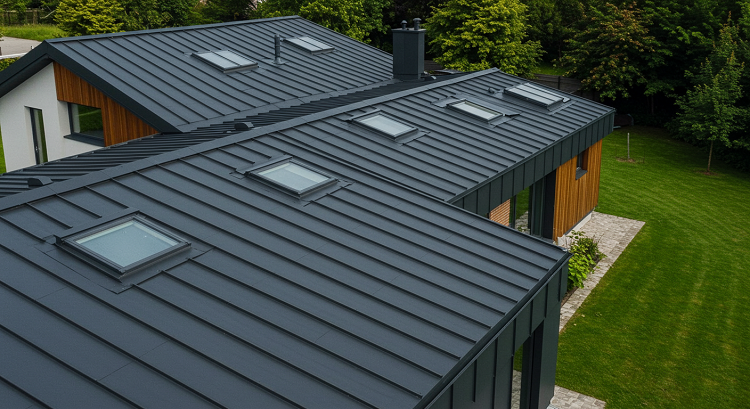
The quality of a building’s roof is often overlooked until an issue arises, but its impact on daily comfort, long-term safety, and energy costs is undeniable. Roofing material selections affect everything from insulation to weather resistance and even curb appeal. In regions where weather patterns fluctuate through all four seasons, having efficient roofing can mean the difference between manageable utility bills and skyrocketing energy costs. According to research by the U.S. Department of Energy, roofing with reflective, energy-efficient materials can dramatically lower air conditioning demands during hot months. It highlights why many property owners are exploring advanced metal roofing solutions as an option for enhanced energy savings and adaptability to contemporary architectural styles.
Beyond energy efficiency, roofing materials play a fundamental role in property preservation. Advancements in roof systems have led to options that outlast traditional products while requiring less frequent maintenance and repairs. Innovative construction methods have enabled the seamless integration of roofing with solar technology, contributing to renewable energy goals and enhancing modern aesthetics. A forward-thinking approach to roofing protects investments and creates healthier, more sustainable environments for families and businesses alike. With so many variables in play, it makes sense for homeowners to look beyond basic asphalt and evaluate whichever roofing system offers the best blend of performance, beauty, and lasting value.
Risks of Outdated Roofing Systems
Older roofing systems typically lack the technical advancements found in more modern options. These systems are prone to visible deterioration, such as cracked, curling, or missing shingles, but the real risks often go unseen. Moisture intrusion can develop over time, leading to hidden issues such as mold growth, wood rot, and even compromised building foundations. Additionally, outdated roofing provides subpar insulation, causing HVAC systems to work overtime—a scenario that ultimately results in steeper energy bills and unnecessary wear on the home’s infrastructure.
Maintenance costs rapidly escalate when repairs become frequent and regular. Insurance companies may flag homes with outdated roofs as high-risk, which could lead to increased premiums or restricted coverage. Modern roofing technologies, highlighted by the National Roofing Contractors Association, help mitigate these concerns with more durable materials, greater fire and impact resistance, and improved weatherproofing. Upgrading keeps property owners ahead of changing safety codes, insurance requirements, and extreme weather events alike.
Sustainable Roofing Options for the Modern Era
Sustainability in modern construction is more than just a trend—it’s an essential part of building design and renovation. With increasing awareness of climate change and the impact of urban development on the environment, roofing now plays a significant role in mitigating heat islands and promoting energy efficiency. Cool roofs, for example, utilize reflective coatings and lighter colors to reflect sunlight, thereby keeping buildings cooler and reducing greenhouse gas emissions associated with energy production. Green or living roofs, which support plant life, not only offer natural insulation but also filter toxins from rainwater and foster local biodiversity.
- Cool roofs: These feature highly reflective surfaces, helping buildings stay cooler and significantly reducing air conditioning needs during hotter months. The result is less energy use and reduced utility costs.
- Green/living roofs: These rooftop gardens are designed to hold soil and vegetation, providing insulation and helping to absorb rainwater, which can minimize runoff and aid in managing urban flooding.
- Recycled material roofing: Shingles and panels produced from recycled plastics, metals, or rubber not only keep waste out of landfills but also provide long-lasting durability and surprisingly attractive design choices.
Incentives from local governments, such as tax credits or rebates, for eco-friendly systems are helping to shift the market toward sustainable construction. For homeowners, adopting green roofing is an effective way to reduce their environmental footprint while enjoying long-term savings and improved home comfort.
Emerging Technologies in the Roofing Industry
Modern roofing is embracing technological leaps that simplify installations, extend longevity, and add value. Solar-ready tiles, for instance, allow homeowners to convert rooftops into clean energy generation zones. Integrated photovoltaic shingles eliminate the old aesthetic compromise of bulky panels, while smart systems built into underlayments can detect leaks or weaknesses before significant damage occurs. Drones now assist with roof inspections, gathering high-resolution data safely and quickly, ensuring every corner of a rooftop is accounted for without the hazards of climbing and walking on high surfaces.
Computer-aided modeling introduces a new level of customization, enabling rooflines that perfectly adapt to complex architectural designs. Techniques like seamless standing seam installations reduce the risk of leaks and raise the bar for durability and water runoff management. The ability to tailor solutions for everything from high rises to historic neighborhoods marks a new era of both form and function.
Materials That Withstand Extreme Weather
With climate unpredictability on the rise, the demand for high-resilience materials is stronger than ever. Metal roofs with stone coatings, impact-resistant composite shingles, and robust clay or concrete tiles are increasingly selected in areas prone to hail, wildfires, or hurricanes. Unlike traditional materials that may last only 10 to 20 years, these resilient alternatives often carry warranties of up to 50 years, making them an attractive long-term investment despite their higher initial cost.
Insurance premiums may be reduced for properties with roofs made from fireproof or high-impact-rated materials. Cool roofs, which reflect infrared and ultraviolet rays, benefit all climates—not just hot locales—by reducing the chance of rapid thermal expansion and contraction that can lead to premature roof failure. Rather than react to historic weather patterns, today’s property owners are proactively selecting materials built to withstand future extremes.
Modern Installation Techniques Every Homeowner Should Know
Improved installation techniques set modern roofs apart from their predecessors. Gone are the days of layering new shingles over old—today’s contractors prefer stripping worn materials entirely before installing enhanced synthetic underlayments that better resist water, ice, and pests. New advances in fasteners, adhesives, and self-sealing membranes significantly reduce the risk of leaks while providing more uniform structural integrity.
- Ensure attic spaces are properly insulated and ventilated to prevent moisture buildup, mold, and costly temperature swings.
- Ask contractors to use protective underlayments in vulnerable areas, such as valleys, beyond the standard code requirements.
- Prioritize certified professionals who are up to date on industry best practices—many manufacturers only honor warranties on materials installed by credentialed crews.
These tactics extend the roof’s lifespan, improve interior comfort, and enable the integration of modern technologies, such as solar panels or smart moisture sensors, thereby enhancing the home’s future readiness.
Cost Considerations and Maintenance Tips
Although replacing a roof with advanced materials is an investment, the long-term savings are generally substantial. Durable, energy-efficient roofs help lower year-round utility expenses, require fewer repairs, and boost the total value of a property. Regular upkeep—such as trimming overhanging branches, cleaning gutters, and scheduling periodic inspections after major storms—plays a critical role in maximizing any roof’s return on investment.
Homeowners should review warranty options and weigh projected service life. While a basic asphalt roof might last 15 to 20 years, many modern materials can easily reach 40 or 50 years—the reduced frequency of replacement results in savings in both monetary and environmental impact. Savvy owners strike a balance between upfront expenditure and the lasting benefits granted by a well-chosen, low-maintenance roof.
How to Choose The Right Roofing Solution
Selecting the best roof for your unique circumstances begins with a thorough and clear-eyed look at various factors, including your home’s style, local climate, and overall budget. Each of these components plays a crucial role in determining which roofing material is most suitable for your needs. In areas where severe weather events such as hurricanes, hail, or wildfires pose a significant risk, it’s essential to prioritize resilience and durability by choosing a roofing material that has strong third-party ratings for performance and safety.
For homeowners who are conscious of their environmental footprint and focused on sustainability, considering options such as recycled-content materials or innovative “cool” roofing systems can be beneficial. These eco-friendly choices not only help to qualify for potential financial incentives but also contribute to a lower environmental impact, making them a responsible selection.
As you navigate your roofing choices, it’s crucial to obtain and carefully compare several quotes from different contractors. It can provide valuable insight into pricing and available options. Additionally, requesting to see material samples in person is a helpful strategy that can aid in visualizing how each option will look in your home, helping you make a more informed decision.
Guidance from experienced professionals in the roofing industry can also be invaluable as you explore your options. These experts can help clarify the various roofing systems, materials, and styles available to you while ensuring that any restrictive covenants or local building codes are adhered to during the selection process.
Ultimately, the right roofing choice for your home will blend value, protection, and aesthetics, delivering peace of mind and long-term satisfaction that extends well beyond the initial installation. Taking the time to investigate and select the best roofing option will result in a home that not only looks great but is also well-equipped to withstand the elements for years to come.