

Table of Contents
The Significance of Asphalt Maintenance
Asphalt maintenance is not just a task but a crucial component of managing any infrastructure that utilizes this versatile material. Asphalt surfaces, from local roads weaving through neighborhoods to expansive freeways that connect cities, endure a gauntlet of stressors daily. Vehicles of all sizes and weights traverse these surfaces, exerting pressure and friction that gradually wear down the material. Additionally, the relentless elements—rain, sun, snow, and ice—all impact the integrity of asphalt, leading to the microscale wear that often goes unnoticed until it becomes a macro-level problem. Investing in asphalt repair Tampa is akin to caring for one’s health—proactive measures can prevent costly emergencies in the future. Much like regular check-ups, consistent asphalt maintenance, timely interventions, and routine checks safeguard against deterioration, keeping us healthy. This holistic approach to maintenance protects pavements from significant damage and preserves the aesthetic and value associated with well-maintained properties. It’s an investment in safety, ensuring that surfaces remain resilient and reliable for all who use them.
Moreover, well-maintained asphalt contributes to the greater good by ensuring road safety and enhancing infrastructure. Visually appealing pavements reflect well on communities, attracting more visitors, aiding property appreciation, and reducing liabilities associated with neglected infrastructure. Ultimately, proper asphalt maintenance respects the time, effort, and resources initially invested in these surfaces, prolonging their utility while promoting environmental sustainability.
Common Asphalt Issues and Their Causes
The durability of asphalt is often tested by an array of environmental and human-induced factors, which collectively contribute to its eventual deterioration. Recognizing these issues early on plays a pivotal role in effective maintenance and repair strategies. Common problems like cracks, potholes, and drainage issues typically result from the interaction of natural forces and human usage. Heavy traffic, especially from large vehicles, can impart extreme stress on asphalt, leading to surface wear and structural compromise. These problems are exacerbated when intensified by inclement weather conditions that asphalt pavements must endure.
For instance, cracks often develop as the material expands and contracts in response to temperature fluctuations—a phenomenon exacerbated by the freeze-thaw cycle prevalent in colder climates. As stated in a preliminary study on asphalt failure, water infiltration is a primary culprit behind surface damage. When water seeps into these cracks and freezes, it expands, widening the gaps and causing further deterioration. If left unchecked, this natural process leads to significant structural issues, including the formation of potholes that pose a risk to vehicular safety.
Conversely, drainage issues arise mainly from improper grading or blockages that prevent water from flowing freely off the asphalt surface. Stagnant water can become an agent of decay, infiltrating and weakening the asphalt layers beneath. Understanding these problems allows property managers to develop preemptive strategies that mitigate potential risks, ensuring that their surfaces remain safe, functional, and visually pleasing through routine surveillance and targeted repair operations.
Preventive Measures for Asphalt Longevity
Preventive maintenance is the cornerstone of prolonging asphalt longevity, allowing for cost savings and enhanced safety. One essential strategy is a regular maintenance schedule with thorough inspections and evaluations. These inspections identify weaknesses or early-stage issues on asphalt surfaces, providing the data necessary for efficient repairs. By tackling possible problems before they worsen, maintenance teams can extend the lifespan beyond the traditional life expectancy of asphalt surfaces.
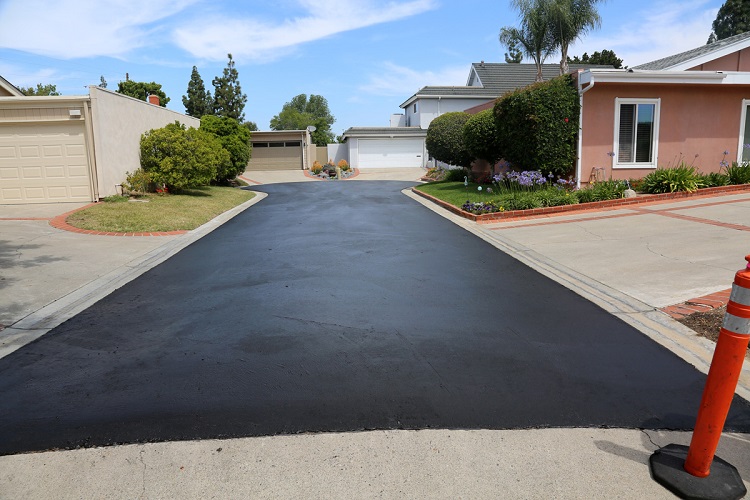
Seal coating and crack filling are two primary techniques that serve a dual purpose in preventive maintenance—protecting the asphalt from environmental elements while enhancing its visual appeal. Crack filling helps prevent moisture from infiltrating the asphalt and causing internal damage, leading to larger structural problems.
Moreover, integrating modern technology, such as AI-driven monitoring systems, provides an advanced edge in predicting and planning maintenance activities. These technologies analyze myriad data points to forecast potential problems and suggest timely interventions, optimizing maintenance schedules to prevent issues from arising in the first place.
Green Solutions in Asphalt Maintenance
The juxtaposition of asphalt and environmental sustainability might seem paradoxical at first glance. However, as the construction and maintenance industries pivot towards eco-friendly practices, asphalt maintenance has not remained untouched by these changes. Embracing green solutions and sustainable practices is now a priority for many developers and maintenance teams intending to reduce the environmental footprint associated with traditional asphalt methods. Sustainable asphalt involves using eco-friendly materials, such as bio-based binders and recycled asphalt, to limit environmental impact without compromising durability. Recycled asphalt is particularly significant; it retains the original material’s robustness but promotes resource conservation. Using recycled material helps reduce landfill waste and lowers greenhouse gas emissions.
Furthermore, innovations like warm-mix asphalt processes require less energy to produce and lay, reducing carbon emissions compared to conventional hot-mix processes. As more infrastructure projects prioritize sustainability, environmentally conscious techniques will continue to emerge, positioning the industry as a key player in advocating climate-friendly initiatives and policies.
The Role of Weather in Asphalt Deterioration
Weather conditions significantly influence the aging and deterioration of asphalt, requiring tailored solutions to address these external variables. Extreme temperatures, whether hot or cold, exert opposite pressures on asphalt. In warm climates, prolonged sun exposure leads to oxidation, causing the asphalt to lose its flexibility over time, becoming brittle and more susceptible to cracking. The sun’s rays can also cause the surface to dry out and lose its binding properties, leading to rapid wear.
In contrast, colder environments pose challenges like the freeze-thaw cycle, where fluctuating temperatures cause water trapped in asphalt cracks to expand as it freezes. This cyclical stress weakens the road surface and eventually results in significant cracking or pothole formation. Addressing these issues involves employing specific measures tailored to each climate condition, such as applying sun-damage-resistant sealants or ensuring adequate drainage to reduce water pooling and infiltration.
Understanding local climate patterns and how infrastructure interacts with these conditions empowers teams to design proactive maintenance strategies that mitigate weather-induced wear. Investing in weather-specific solutions extends the service life of asphalt, reducing the frequency and costs associated with repairs while maintaining optimal safety and functionality.
Cost-Effective Strategies for Asphalt Repairs
Cost is vital in asphalt repair decision-making, as property owners weigh their options between professional services and DIY methods. Although minor repairs performed by experienced DIYers can be effective, more complex and extensive damages often necessitate professional expertise to ensure high-quality, lasting results.
Professionals bring knowledge, skills, and specialized equipment that DIYers typically lack. Tapping into professional resources can be more beneficial in the long run, particularly for public roads or properties experiencing significant wear. Determining when to employ professionals versus completing a repair in-house depends on various factors, including the budget, personnel expertise, and the size of the issue at hand. Cost analysis and strategic planning assist in optimizing decisions that align with the desired outcome while maintaining fiscal responsibility. This strategic decision-making helps prevent future damage and continues to protect the asphalt investment effectively.
Future Trends in Asphalt Technology
Technology is steering the asphalt industry toward an innovative future with methodologies that promise enhanced durability, efficiency, and intelligence. One such innovation, porous asphalt, is engineered to allow water to seep through its surface, easing issues related to water drainage that frequently afflict traditional asphalt surfaces. It minimizes surface water accumulation and curtails the damaging freeze-thaw cycle by facilitating faster runoff. Additionally, innovative road technologies are entering practical use, with embedded sensors providing real-time feedback on surface conditions and traffic stressors. These sensors enable maintenance practitioners to monitor and respond swiftly to developing problems, often before they manifest as visible damage. Implementing artificial intelligence within these frameworks further refines predictive and preventive measures, allowing for maintenance activities to be optimized efficiently. These trends indicate a transformation toward more responsive and enduring infrastructure solutions. Harnessing these technologies heralds a new era where roads and transportation systems do not merely withstand their environment but seamlessly interact with it, upgrading the functionality and safety of the pathways that connect our world.
Practical Tips for Homeowners and Business Owners
For property owners, whether residential or commercial, maintaining asphalt surfaces involves practical action steps that secure the asset’s value and utility. Conducting regular inspections is a key initial step to ascertain the condition of the surface and identify any minor damage. These inspections highlight small cracks, uneven wear, or drainage malfunction, which require prompt attention to prevent the spread of damage. Leveraging these techniques ensures the asphalt’s aesthetic appeal and elevates its overall safety.
Understanding the specific demands of your property’s asphalt involves considering climate, usage patterns, and particular vulnerabilities. Property owners who stay informed and engaged in these best practices maximize their asphalt’s longevity and value, contributing positively to the broader community by maintaining functional and safe infrastructure amidst all environmental challenges.