
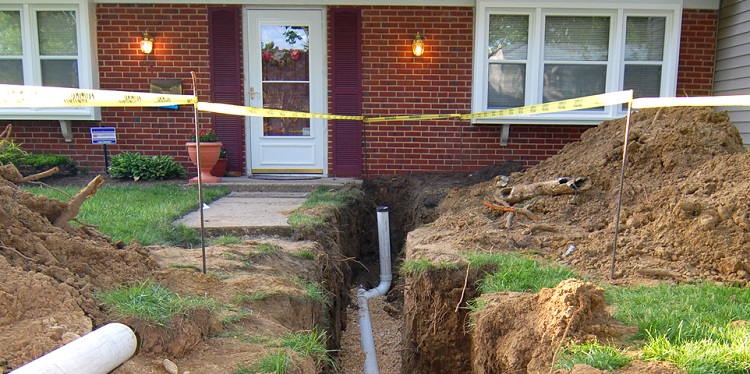

Maintaining the integrity of your home’s sewer system is not only about comfort—it’s crucial for safeguarding your property’s health and value. The plumbing that runs beneath your home quietly supports daily routines, so when it malfunctions, the consequences can be significant. Many homeowners overlook routine care, resulting in costly emergencies that could have been avoided with timely precautions. Issues such as foul odors, slow drains, or even property damage often stem from hidden sewer line problems that develop unnoticed over time. By proactively addressing sewer concerns and working with certified professionals, such as those specializing in sewer repair in Arlington, including Arlington licensed sewer replacement, you can prevent severe damage and ensure a trouble-free plumbing system for years to come. Proper maintenance also boosts your home’s long-term value, making it less likely that you’ll face costly surprises when it’s time to sell. From tree roots seeking out your pipes to improper disposal habits that choke your system with avoidable blockages, there are numerous ways your sewer lines can come under threat. Construction activity around your property may also pose a danger if pipes are accidentally disturbed. Animals burrowing, shifting soil, heavy vehicle traffic, or even seismic activity can compromise underground infrastructure. With modern solutions and smart homeowner habits, you can protect your plumbing infrastructure and minimize unexpected expenses and inconveniences. By understanding how your sewer lines are laid out and respecting the potential risks, you empower yourself to catch developing issues early and keep your home’s environment safe from contamination. Understanding these risks and acting decisively—not reactively—makes a world of difference. Even simple changes in landscaping choices or awareness of what does (and shouldn’t) go down the drain can add years to the lifespan of your pipes. Small behavioral tweaks, such as installing drain screens or regularly cleaning your garbage disposal, go a long way in keeping your system clear. Meanwhile, knowing the location of your main sewer clean-out access points can save valuable time during emergencies. When you commit to these preventative measures, you’re not just reacting to issues—you’re taking control of your home’s future. In this detailed guide, you’ll discover practical, actionable strategies for preventing common sewer line issues, equipping you with both the knowledge and tools needed to keep your home’s plumbing in optimal condition. For additional background on sewer system care and how wastewater infrastructure functions, visit this comprehensive resource by the U.S. Environmental Protection Agency. Becoming familiar with the basics of how your home’s drainage and sewer system works allows you to better communicate with professionals and anticipate maintenance needs.
Table of Contents
Common Sewer Line Issues
An effective sewer system revolves around unobstructed pipes and well-maintained infrastructure. Several frequent issues jeopardize this stability, each presenting distinct warning signs and potential consequences. Early warning signs, such as gurgling sounds, slow drainage, or unexpected wet spots in your yard, can all indicate hidden sewer line issues developing beneath the surface.
Tree Root Intrusion
One of the most significant threats to sewer lines is the intrusion of tree roots. Trees and shrubs instinctively grow their roots toward sources of moisture, making underground pipes a prime target for root growth. Over time, these roots can create extensive damage, breaking through pipe joints and creating obstructions that gradually worsen. Roots infiltrate even the smallest cracks, gradually breaking apart pipes and causing clogs or raw sewage leaks. As blockages form, you might notice slow drains or toilets that seem to back up persistently. Regular, professional inspection is essential for homes with mature or expanding landscaping, especially if you have large trees near your home’s sewer lines. Catching root invasion early can prevent expensive repairs that involve digging up your yard or replacing large pipe sections.
Pipe Deterioration
Sewer pipes constructed from outdated materials, such as cast iron, clay, or Orangeburg, often fall victim to age-related deterioration. As pipes age, they are more likely to corrode, collapse, or develop small leaks that can turn into significant issues. Cracks, leaks, and outright collapses are more common as materials degrade, leading to severe disruption or environmental contamination. Leaking pipes can foster mold growth indoors or contaminate local groundwater if left unchecked. Homeowners with older properties should consider periodic camera inspections to assess the hidden state of their sewer lines. By understanding your property’s unique vulnerabilities, you can anticipate and address problems before they escalate into catastrophic events.
Blockages from Improper Waste Disposal
Every day, bad habits directly affect the health of your pipes. Items like cooking grease, “flushable” wipes (which rarely break down), feminine hygiene products, and excessive paper towels don’t break down in water and rapidly accumulate, causing stubborn blockages or backups. Even products labeled as safe for toilets or drains can contribute to long-term build-up and should be approached with caution. Food scraps, coffee grounds, or fibrous materials can also cause slow drains or persistent clogs if not properly disposed of. Setting clear disposal guidelines for everyone in your home is an immediate, high-impact preventative measure that can save you money and inconvenience. Empowering your family or housemates with the correct info can dramatically extend your plumbing’s reliable function.
Preventive Measures
Preventing sewer line issues starts with simple, consistent habits and seeking professional intervention before issues escalate. Taking action before trouble arises can save you from facing unsanitary messes or expensive repair bills. Here are the most effective steps for long-term protection:
Regular Maintenance and Inspections
Annual plumbing assessments—especially those that utilize video inspection tools—identify minor problems before they escalate into emergencies. Professionals can spot early signs of corrosion, intruding roots, or buildup, helping you schedule necessary repairs or cleaning well in advance. This proactive approach typically costs less than major repairs and guarantees you peace of mind. The experts at Rocket Mortgage explain how these inspections function and why they’re essential for every homeowner. Scheduling these visits before you notice symptoms—rather than after—gives you the advantage of time and choice in repairs.
Proper Waste Disposal Practices
Adopt a “drain smart” policy for your household. Never pour fats, oils, or grease down the kitchen sink, and only flush toilet paper and human waste in the bathroom. Grease hardens inside pipes, creating sticky surfaces where other debris can become trapped, eventually resulting in a complete blockage. All other products—such as wipes, personal hygiene items, cotton swabs, and hair—should be disposed of in the trash, not down the drain or toilet. Consider posting reminders near sinks and toilets, especially if you have guests or children who may not be familiar with your rules. These small steps can prevent frustration and save hundreds of dollars per year on emergency plumbing visits.
Landscaping Considerations
Before planting trees or large shrubs, locate your sewer lines (your local utility or city usually provides maps or location services). Select plant species with less aggressive root systems and ensure new plantings are positioned at a safe distance from your underground plumbing infrastructure. Drought-tolerant or ornamental plants typically have less invasive root systems, making them safer options near sewer lines. Ongoing vigilance about root growth around pipes can save thousands in repairs. Pruning roots and managing soil moisture near sewer lines also provides an additional layer of protection against unexpected damage.
Advanced Solutions and Technologies
As plumbing technology advances, homeowners can take advantage of non-invasive, effective solutions to extend the life of their sewer lines or deal with emerging issues without the disruption of major excavation work. Understanding your available options ensures you never have to settle for disruptive or outdated repair methods if a sewer problem does occur.
Trenchless Sewer Repair Technologies
Trenchless methods, such as pipe lining and pipe bursting, offer modern solutions to serious sewer line issues while minimizing the hassle and expense of traditional excavation. Pipe lining creates a new, durable layer within the existing pipe, while pipe bursting destroys the old pipe and replaces it with new piping in the same path. These technologies mean you often avoid tearing up driveways, gardens, or established lawns—saving time and reducing post-repair landscaping expenses. Both approaches are faster, cleaner, and preserve the integrity of your landscaping and driveway.
Hydro Jetting
Hydro jetting uses pressurized streams of water to remove years’ worth of accumulated grease, debris, and invasive roots, often restoring pipes to nearly their original capacity. This professional service is highly effective as both a preventive measure and a solution for recurring clogs. Periodic hydro jetting can flush your entire line clean, eliminating small problems before they grow larger. Regular jetting is particularly wise for homes with older plumbing or mature landscaping known for problematic roots. The key is to work with an experienced professional who can assess whether your pipes are in the right condition to withstand jetting techniques.
Conclusion
Staying ahead of sewer line problems is all about being aware, practicing routine care, and being willing to seek expert assistance when needed. A combination of personal habits, scheduled inspections, and openness to new technology protects your home from both nuisance and disaster. With proactive inspections, mindful waste habits, thoughtful landscaping, and access to advanced repair technologies, you are well-equipped to protect your property from plumbing disasters. Invest in prevention—your home, health, and wallet will thank you.