
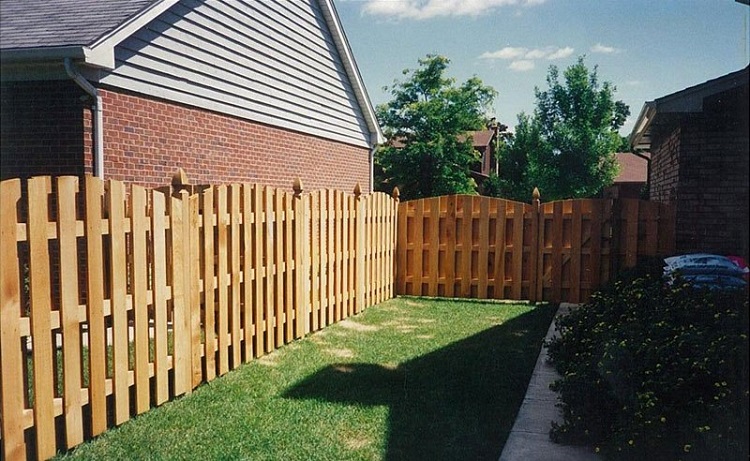

You wanted that stunning Algonquin deck to be the ideal space for summer parties and peaceful morning coffee. Instead, thousands of uninvited guests could be slowly tearing apart your investment, and you might not even know it. Termites keep it low-key. They will not blare loud music or wear neon signs that suggest they are about to steal your outdoor woodworks and plop down to feast on your property.
The humid Algonquin climate provides a perfect primordial soup for these insect invaders to populate wood structures outside. Your fence posts, timber deck boards, and railings offer cover and food in the kind of cellulose for termite colonies. By the time you can see damage, these pests might have caused thousands of dollars of damage to the structure. Reliable exterminators serving Alogoquin can help you overcome these issues!
Table of Contents
Why Outdoor Wood Is Prime Real Estate for Termites?
Termites see your deck and fence as you would view a luxury resort with an infinity pool—the ideal place to nest and raise the kids. Outdoor structures are constantly exposed to moisture, temperature changes, and other natural wear, unlike indoor wood, which is often treated and controlled.
Such conditions create small fissures and weak areas where termites could enter easily. Weather fluctuations such as rain, snow, and Algonquin’s seasonal monsoon seasons help keep wood fibers moist, making them more easily digestible for termites.
Pressure-treated lumber is not foolproof either. The chemicals protect the wood, but they fade with time. Small gaps between deck boards that may seem benign simultaneously collect water and organic matter, creating micro-environments that can hide unsuspected termites and remain safe for months or even years at a time.
Why Algonquin Homeowners Are at Risk Of Termites
1. Soil Composition Favors Termite Activity
Algonquin is largely clay-rich soil that retains moisture like a sponge, and those conditions are prime environments for subterranean termite colonies. With this type of soil, termites can create long, tunnel networks up to 100 feet from their nest.
2. High Property Values Mean Higher Stakes
Termites can be financially devastating to homeowners, with the median home value in Algonquin at nearly $347,000. Any structural damage, even the smallest of cracks, can reduce property values and cost big bucks to repair.
3. Mature Landscaping Increases Risk
The majority of Algonquin homes have mature trees and existing landscaping that can harbour termite nests. Buried wood debris from construction and dead tree roots form concealed food sources that sustain substantial termite colonies.
4. Seasonal Moisture Fluctuations
The Fox River’s spring flooding and heavy summer rainfall develop wet soil that draws termites to wooden structures. Such seasonal patterns can drive the termites away from saturated soil and towards the dry wood in decks and fences.
5. Dense Suburban Development
Because Algonquin is suburban, a set of concentrated underground tunnel systems from one termite colony allows the little beasts to disperse to adjacent properties easily, which makes homeowners in the neighborhood likely to become infested.
Tips to Protect Yourself From Termites
The following is a list of steps every Algonquin homeowner can take to protect their outdoor wood structures:
- Limit soil contact with wood by pouring concrete footings or by placing a metal tee between posts and soil
- Maintain drainage around your deck and fence
- Check for peeling around any cuts or joints
- Check for mud tubes, wood that sounds hollow, or small holes
- Vegetation should be cut back to a distance of 12 inches from wooden structures
Your Deck Should Host BBQs, Not Bugs
Routine professional inspections can detect termites sooner rather than later, before they become a costly family safety hazard and a home equity loss.
For years, Pointe Pest Control has proven to be the best option for Algonquin homeowners to secure their property from termite damage. They know how the weather and soil conditions in Illinois can present unique challenges for local homeowners. With a comprehensive treatment program that encompasses immediate infestations and preventative measures for the future, your outdoor structures will be safe and secure for years of family enjoyment.