

Table of Contents
Why Roof Maintenance Matters
Roof maintenance is a critical responsibility that can extend the life of your home’s most essential protective barrier. Whether you live in a region with heavy snowfall or under the harsh summer sun, a well-maintained roof keeps interiors comfortable, prevents water damage, and keeps curb appeal high. Ignoring this vital area can result in costly repairs or premature replacement, which disrupt daily life and strain the household budget. Early attention to key maintenance tasks can save homeowners thousands of dollars over the lifespan of their roof.
Homeowners frequently turn to trusted resources, like Colorado roofing experts, to learn which maintenance steps have the greatest impact. Applying a systematic approach—season by season—ensures nothing is overlooked, vulnerabilities are quickly identified, and the system works efficiently through every weather event. Investing time in a maintenance checklist is one of the simplest and wisest ways to preserve any property’s value, safety, and comfort.
Routine Roof Inspection
Regular roof inspections form the backbone of every successful maintenance plan. Experts recommend that homeowners conduct a visual check at least twice a year, ideally in the spring and fall, with additional inspections following major storms. Scan the roof’s surface from the ground, using binoculars if necessary, to spot missing shingles, sagging lines, or obvious signs of wear. When safe, it’s also essential to climb into the attic and look for sunlight peeking through the roof boards, stains, or damp insulation that may indicate a leak.
Professional assessments go even deeper, examining flashing, valleys, and the integrity of vents and chimneys. These inspections often uncover issues not visible from ground level, such as blistering or curled shingles, nail pops, or small gaps where water could enter. Catching problems in their earliest stages can mean the difference between a quick repair and extensive water damage. The National Roofing Contractors Association suggests documenting your observations with photographs, which helps track changes and gives a professional valuable reference points during future visits.
Cleaning Your Roof Safely
Routine cleaning removes debris, moss, algae, and built-up grime that can decrease a roof’s lifespan. Organic matter—such as leaves, branches, and pine needles—tends to collect in valleys and along gutters, trapping moisture and accelerating deterioration. Seasonal winds and storms may also deposit airborne particles that, left unattended, stain shingles and encourage mold or moss growth. These materials can lift shingles or tiles, making them more vulnerable in heavy winds.
Homeowners should use soft-bristled brushes, garden hoses, or gentle roof-cleaning solutions specifically for their roofing material to avoid damaging the surface. Pressure washers, although fast, are rarely recommended because their force can erode granules or force water up and under roofing materials. For safety, cleaning should always be done using stable ladders, non-slip shoes, and a helper to spot in case of emergencies. Hiring a professional can be safer and more effective than taking unnecessary risks if the roof is steep or particularly high.
According to the U.S. Department of Energy, a clean, properly maintained roof can improve energy efficiency by reflecting more sunlight and minimizing unwanted heat absorption. This underscores how routine cleaning invests in performance and longevity, especially for reflective “cool” roofs or lighter-colored materials.
Essential Gutter Upkeep
Gutters and downspouts keep water moving away from your home, preventing foundation problems, erosion, and interior leaks. Neglecting gutter maintenance increases the likelihood of water pooling on roofs, seeping beneath shingles, and causing rot or mold. Most experts recommend cleaning gutters at least twice a year, with additional checks after storms or when nearby trees are shedding.
Remove loose debris by scooping out leaves and twigs with gloves or a small hand tool. After clearing the bulk, rinse gutters with a garden hose to check for proper flow and spot hidden blockages. Inspect brackets and end caps for leaks or signs needing tightening or replacement. Pay attention to the downspouts—these should direct water at least three feet away from your home’s foundation to reduce pooling and prevent shifting.
Regular gutter maintenance is an easy win for homeowners: just a few hours twice a year can prevent the drips, leaks, and expensive repairs from neglect. Leaf guards and downspout extenders can simplify upkeep and make the system more resilient to heavy rainfall or melting snow.
Spotting and Fixing Minor Repairs
Even a well-built roof will suffer the occasional nick—missing shingles, small holes, or loose flashing. Early detection and repair are essential to prevent these minor flaws from becoming major, expensive issues. Some common repair targets include cracked caulking around vent pipes, dislodged shingles after wind storms, or tiny punctures created by falling branches or wildlife.
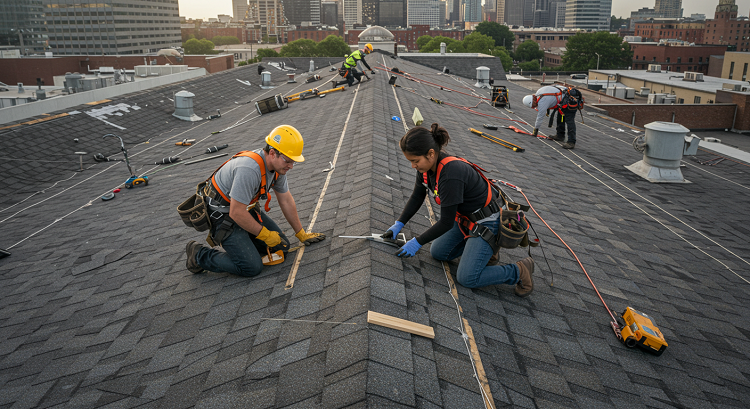
A basic roof repair kit should include matching shingles, roofing cement or caulk, nails, and simple tools like a hammer, ladder, and utility knife. For asphalt shingles, gently lift the damaged section, remove any loose material, and replace it with a matching piece sealed with roofing adhesive. Flashing can often be re-fastened with roofing nails and coated with a flexible sealant. Clear instructions and patience are essential for minor repairs, while more complex problems—damaged membrane, extensive leaks, or large holes—should be addressed by seasoned professionals.
These attentive touch-ups extend your roof’s lifespan and prevent moisture intrusion, which can degrade insulation, drywall, and even structural beams. Taking action promptly is a powerful, cost-effective way to maintain your home’s integrity for years to come.
Seasonal Maintenance Guidelines
Each season brings its challenges. Spring is the perfect time to inspect for winter storm or ice damage: look for missing or broken shingles, check for debris accumulation, and ensure gutters are clear. Summer’s heat calls for high attic ventilation; ensure unblocked vents and check for sun scorching or warping on roofing materials, particularly important for asphalt shingles or wood shakes.
As autumn approaches, focus on removing falling leaves, clearing valleys, and thoroughly checking gutters before wet weather arrives. Late fall is also a strategic time to reinforce attic insulation and ventilation to curb ice dams when winter comes. Winter, finally, requires homeowners to monitor for heavy snow buildup that could strain structural supports. Using a roof rake, remove excess snow along eaves before it refreezes and causes ice dams or leaks. Professional removal is the safest approach if icicles or thick ice develop, as improper techniques can damage the roof and gutters.
Adapting your maintenance strategy to the seasons ensures your roof performs optimally year-round. This proactive mindset limits weather-related surprises and protects investment through shifting conditions and climate extremes.
When to Call in the Professionals
Specific problems are too dangerous or complex for DIY solutions. Large leaks, structural sagging, widespread mold, store, and hail damage warrant a professional assessment. Experienced roofers bring specialized equipment and training to tackle steep slopes, identify invisible problems, and provide repairs that comply with local codes and warranty guidelines. Scheduling a thorough inspection every few years—even if nothing looks wrong—can reveal subtle wear or material failures before disaster strikes.
Some insurance policies require professional documentation following a storm or before a sale, so having a trusted expert in your contacts is wise. Timely professional intervention — often guided through consulting platforms, preserves your roof’s performance, renews its safety profile, and can even save you money on your homeowner’s insurance by catching wear early.
In line with advice from industry leaders, building a relationship with a local, reputable contractor can simplify claims processes and speed up emergency repairs when storms hit. Knowing when to call in the pros can prevent minor mishaps from becoming catastrophic failures.
Modern Roof Protection Techniques
The roofing industry continues evolving, introducing innovative solutions that improve protection and sustainability. Many homeowners enhance their maintenance routine with protective coatings that reflect sunlight, repel water, and create an additional barrier against environmental damage. These coatings can be especially effective for older roofs, delivering improved longevity at a fraction of the replacement cost.
Natural light solutions have become increasingly popular as homeowners seek to improve both energy efficiency and interior ambiance. Installing roof lights uk can significantly reduce reliance on artificial lighting during daytime hours, whilst also creating a more spacious feel within the home. When considering such installations, it’s worth exploring various options from suppliers across the country to find solutions that complement your existing roof structure and maintenance requirements.
Advances like impact-resistant shingles and synthetic underlayments are gaining traction, particularly in areas vulnerable to hail or hurricanes. These materials offer improved flexibility, resistance to splitting, and extra waterproofing, making them smart upgrades for aging roofs. Some modern products are designed for easy DIY installation and repair, providing further convenience for home maintenance enthusiasts.
Other products like this residential sliding roof hatch can make it easier for maintenance work to go ahead and allows both homeowners and professionals to easily inspect the roof without any involved risk. This can help to streamline the process of doing repairs and increase the frequency at which they are done ad hoc, reducing the need for larger, more expensive repair jobs down the line.
Green initiatives continue to shape the market as well. Options like cool roofs—highlighted by the U.S. Department of Energy—reflect solar radiation, reducing cooling costs and environmental impact. Solar-integrated shingles, living roofs, and recycled-material products present additional ways to future-proof your home, cut energy costs, and shrink your carbon footprint. Embracing new technology doesn’t just extend your roof’s life; it also boosts your property’s eco-credentials.
Staying Ahead with Industry Trends
The most up-to-date research and reliable industry voices guide the optimal roof maintenance strategy. Digital tools, yearly checklists, and real-time weather monitoring applications help today’s homeowners identify hazards before they become problems. Airborne drones for thermal imaging and remote inspections give routine checks an extra degree of accuracy by revealing leaks and hidden defects that the human eye would miss.
Regularly reviewing resources from national authorities and publications, such as Architectural Digest, helps homeowners stay one step ahead. They adopt best practices and incorporate new products as they become available. Proactive, informed care preserves not just the structure but also the entire value and comfort of their homes over time.
By embracing a thorough maintenance checklist and leveraging expert recommendations, homeowners can ensure their roof is prepared to withstand seasonal changes, emergencies, and the wear of daily life. Consistent care, immediate repairs, and openness to innovation are the foundations of a resilient, long-lasting roof.