

Table of Contents
Why Fast Action Matters in Mold Remediation
Mold is persistent and remarkably fast at establishing colonies inside damp or water-damaged structures. After just one water event, such as a broken pipe, overflowing sink, or heavy storm, mold can grow in as little as 24 to 48 hours. It thrives in the hidden recesses of drywall, subflooring, and insulation. Even for a day, delaying intervention can allow spores to penetrate deeper into building materials. With this in mind, many homeowners seek out reliable 24/7 mold remediation services to ensure an immediate, professional response at any hour.
Quick action not only halts mold growth but also limits the spread of microscopic spores that can travel throughout your home by air movement, HVAC systems, or clothing. The Environmental Protection Agency states that swift moisture removal is crucial to any remediation effort. Property owners who respond immediately after any water-related incident—by drying affected areas, removing porous materials if needed, and ventilating the structure—are much more likely to save surfaces, reduce cleanup time, and avoid the sky-high costs of complete renovations. Time truly is of the essence.
Common Signs of Mold You Shouldn’t Ignore
Many mold outbreaks begin quietly, out of sight, and without dramatic warning. Spotting them early can save countless hours of work and prevent health hazards for your household. Keep a lookout for these commonly overlooked clues:
- Stale, musty, or earthy odors that linger and intensify over time, especially in closed-off spaces like basements, attics, or under sinks.
- Wall or ceiling paint that bubbles, peels, or becomes discolored, as well as warped flooring or sagging drywall, all indicate hidden moisture.
- Patches of fuzzy growth in colors ranging from black and dark green to white or gray on surfaces like tile grout, window frames, or insulation.
- Increased sneezing, persistent cough, congestion, itchy eyes, or worsening asthma symptoms in people or pets living in the home.
If you identify one or more of these warning signs—especially after noticing signs of water damage—it’s essential to act. Pinpointing the source of excess moisture is just as important as spotting the visible mold. Even a minor, unnoticed leak, such as from an ice-maker line or beneath a bathroom vanity, can become the source of significant damage if not promptly addressed.
Health Risks Associated With Mold Exposure
Mold growth isn’t just an unsightly nuisance—it poses serious risks to your health, particularly with prolonged exposure. The Centers for Disease Control and Prevention explains that mold spreads by releasing microscopic spores and fragments into the air. Once inhaled, these airborne particles can irritate the respiratory system, causing symptoms such as sneezing, nasal congestion, coughing, red eyes, and skin rashes. For people with asthma, allergies, or compromised immune systems, mold exposure can lead to more severe reactions, including difficulty breathing or chronic respiratory problems. Children and older people are especially vulnerable. Ignoring mold in the home increases the chance of repeated exposure, which can escalate symptoms and worsen existing health conditions over time.
The Environmental Protection Agency also highlights links between indoor mold exposure and chronic respiratory problems, including chronic bronchitis or lung infections. Children, elderly adults, and anyone with breathing difficulties are particularly susceptible to health problems tied to hidden mold. Early, thorough remediation can eliminate these risks before they escalate, underscoring the importance of vigilance and timely action for every family, regardless of the structure’s climate or age.
Steps in Professional Mold Remediation
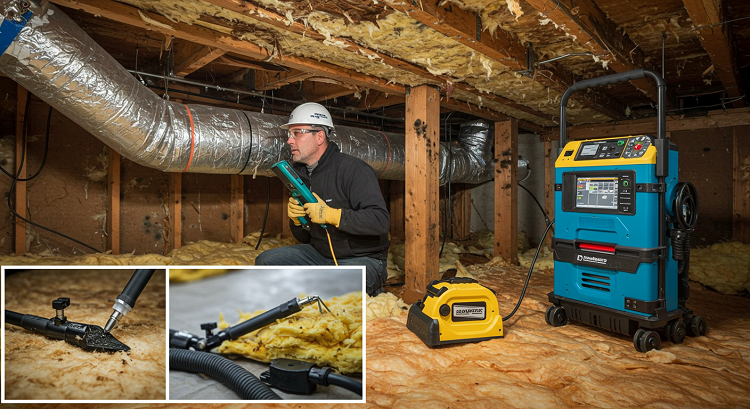
Professional remediation is a detailed, strategic process that addresses hidden or extensive damage caused by mold, water, or contaminants. It involves trained specialists using advanced tools like moisture meters, infrared cameras, air scrubbers, and HEPA vacuums to detect and remove issues that are not visible to the naked eye. This level of precision is especially critical for outbreaks larger than 10 square feet or those affecting HVAC systems, insulation, or wall cavities. In such cases, attempting DIY cleanup can lead to incomplete removal and recurring problems. Skilled intervention ensures thorough decontamination, long-term prevention, and the restoration of a healthy living environment.
Basic Steps in Remediation
- Assessment—Experts use advanced tools, such as infrared cameras or moisture meters, to measure moisture, inspect air quality, and detect areas with hidden water damage or mold.
- Containment: Plastic sheeting, protective barriers, and negative air machines isolate the affected area to prevent spores from spreading through air vents or movement in the home.
- Removal – Heavily infested materials such as drywall, insulation, ceiling tiles, or carpeting are carefully removed and discarded, reducing the chance of regrowth.
- Cleaning & Filtration—Antifungal treatments and HEPA vacuums clean every surface, from wood framing to personal belongings. Air scrubbers further purify the environment.
- Restoration – After removal and cleaning, restoration teams repair structures, repaint walls, and replace materials. Most professionals also educate homeowners on prevention strategies to reduce recurrence.
This comprehensive process carried out meticulously, restores your home’s safety and value. The combination of knowledge, experience, and equipment that professionals provide means less worry about lingering spores or repeat outbreaks—something that’s difficult to guarantee with DIY efforts alone.
Preventative Measures to Keep Mold at Bay
Completing mold remediation is a vital first step, but keeping your home mold-free requires ongoing effort and awareness. Moisture control is key—simple routines like using exhaust fans during showers, promptly fixing leaks, and ensuring proper ventilation help prevent mold from returning. Regularly inspecting damp-prone areas such as basements, attics, and under sinks can catch early warning signs. Making these proactive habits part of your routine creates an environment less welcoming to mold growth.
- Maintain indoor humidity below 50% using dehumidifiers, air conditioners, or ventilation fans; humidity meters are affordable and easy to use.
- Vent bathrooms, kitchens, and laundry rooms directly outdoors, and keep windows open during mild, dry weather to promote airflow.
- Quickly fix leaky pipes, dripping faucets, or roof leaks; don’t ignore minor condensation around windows, doors, or skylights.
- Clean and dry carpets, upholstery, or walls within 24 hours after any spill or flooding to break the cycle before mold can germinate.
- Inspect attics and basements twice yearly; these spots are notorious for hidden moisture buildup, especially after seasonal storms.
Homeowners can empower themselves by reviewing federal guidance, such as the EPA’s extensive mold and moisture control guide, which includes step-by-step instructions, advice on home design, and practical checklists for ongoing protection.
When to Call in Professionals
While small mold patches—such as those on bathroom grout or around window frames—can usually be addressed with household cleaners and proper ventilation, more significant mold issues require professional attention. When mold returns repeatedly despite your best cleaning efforts or when musty odors linger even in well-aired spaces, these can be signs of deeper contamination. Mold can thrive behind walls, under flooring, or within HVAC systems, often fueled by unnoticed leaks, poor insulation, or past water damage. In such cases, certified mold remediation specialists are essential for accurate diagnosis and effective treatment.
These professionals use advanced tools like moisture meters, infrared imaging, and air sampling to assess the extent of contamination. Their process includes isolating affected areas, safely removing contaminated materials, and applying antimicrobial treatments to prevent regrowth. They also verify that air quality meets safe standards before finishing the job. By trusting trained experts, homeowners resolve the visible problem and address hidden threats that could impact long-term health and property value, restoring safety and peace of mind.
Real-World Examples of Mold Remediation Success
When a family noticed signs of black mold following a basement flood, they initially attempted to clean the problem themselves, hoping to resolve it quickly and affordably. However, despite their efforts, persistent musty odors and recurring respiratory issues signaled that the mold problem was far from solved. Seeking professional help, specialists conducted a thorough inspection and discovered extensive mold growth hidden behind the drywall and beneath the carpet padding—areas inaccessible through simple DIY methods. Their expert remediation services successfully eradicated the mold, preventing further damage to the home and safeguarding the family’s health. This intervention ultimately saved the family thousands of dollars in potential repairs and restored their peace of mind.
In a separate case, another homeowner experienced worsening allergy symptoms over several months. An inspection revealed mold growing beneath wallpaper and inside wall cavities caused by a slow, unnoticed plumbing leak. Targeted mold removal halted the spread, protecting the structure and occupants. Recognizing the urgency of such issues, insurance providers have increasingly emphasized the availability of 24/7 mold remediation services, updating policy response times to ensure faster, more cost-effective recoveries.