
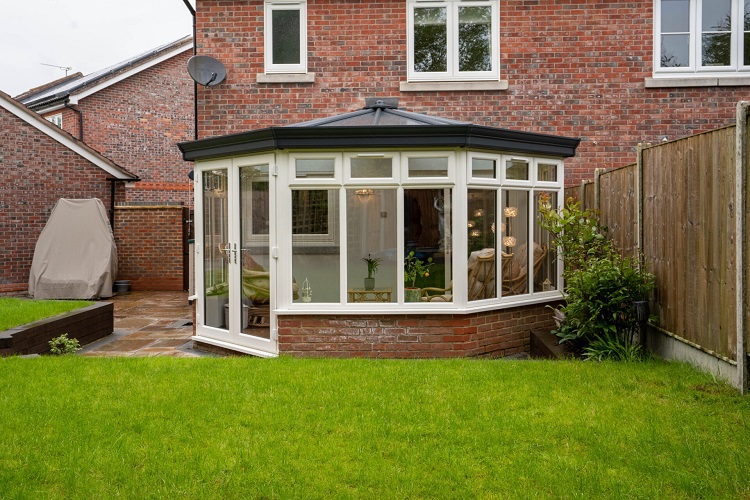

When homeowners think about adding space to their property, the question often arises: do I build a full extension or go for a conservatory instead? With the promise of natural light, garden views and faster build times, conservatories are an appealing option. But can they truly take the place of a traditional brick-built extension when it comes to everyday living?
The answer depends on your needs, expectations, and how well the conservatory is designed and built. While they aren’t always a like-for-like replacement, modern conservatories are far more advanced than they used to be—and for many families, they absolutely can provide the same benefits, if not more.
Table of Contents
Understanding the Purpose of the Space
The first thing to consider is what you want to use the extra room for. A traditional extension offers solid walls, high insulation and a seamless match with your home’s existing layout. It’s often chosen when the aim is to expand the kitchen, add a new bedroom, or create a full-size living space that blends naturally into the rest of the house.
Conservatories, on the other hand, are typically built with more glass and are designed to bring in natural light and connect the home with the garden. But thanks to modern innovations in insulation, roofing, glazing and heating, many conservatories can now serve the same daily purposes as an extension—particularly for living rooms, dining areas, playrooms, or even home offices.
Construction and Planning Considerations
A full extension usually requires more in-depth planning permission, longer construction times, and a larger budget. It’s built to the same standards as the rest of the home, with matching brickwork, plastered ceilings, and integrated plumbing and electrics. It’s the route to go down when you’re essentially expanding the structural footprint of your home in a permanent way.
Conservatories, depending on their size and placement, may fall under permitted development rules and can often be completed faster and at a lower cost. This doesn’t mean they’re low quality—many modern conservatories use solid tiled roofs, double or triple glazing and insulated flooring, bringing them much closer in performance to a traditional extension.
Thermal Performance and Comfort
One of the key differences between older conservatories and house extensions has always been insulation. In the past, conservatories were known for being too cold in winter and too hot in summer. However, that stereotype no longer holds up.
Today’s conservatories can be fitted with insulated roof systems, underfloor heating, thermally efficient glazing and solid walls or partial brickwork. These enhancements dramatically improve temperature control, making it possible to use the space year-round. In fact, some homeowners now retrofit their conservatories to bring them up to the same thermal standards as an extension—often at a fraction of the cost of starting from scratch.
Cost Comparison and Value
Cost is a major factor for most homeowners considering additional space. A traditional extension will almost always cost more per square metre than a conservatory, due to the depth of construction, materials and regulatory requirements involved. While it may add slightly more to the value of the home in some cases, the return on investment for conservatories is often still strong—especially when built with longevity and performance in mind.
For many families, the flexibility of a conservatory combined with its cost-effectiveness makes it a better fit for lifestyle and budget. It’s a solution that can be completed in weeks rather than months, and it avoids much of the disruption associated with a full build.
Integrating with the Rest of the Home
One concern for homeowners is whether a conservatory will feel “bolted on” compared to an extension, which typically blends seamlessly with the rest of the house. The good news is that with careful planning, a conservatory can be integrated just as successfully. Using the same flooring as adjacent rooms, opening up internal walls, and matching interior design elements helps create flow and consistency throughout the space.
Many modern conservatories now include solid end walls, plastered interiors, lighting, and even built-in shelving or storage. The result is a room that feels like a natural continuation of the home rather than a separate entity.
Versatility and Flexibility
Where conservatories truly shine is in their versatility. They’re easier to adapt as life changes—starting as a playroom, then becoming a reading nook, a dining room, or a garden-view lounge as the household evolves. The abundance of natural light also creates an atmosphere that’s hard to replicate with a standard extension.
They can also offer unique architectural interest, with options like lantern roofs, bi-folding doors and glass-to-floor windows giving the space a modern, open feel that appeals to many contemporary homeowners.
Limitations to Keep in Mind
While conservatories can absolutely replace a traditional extension for many everyday uses, there are still limitations to be aware of. If you’re planning to install a full kitchen or a bathroom, then a conservatory may not be suitable without significant reinforcement, drainage upgrades and structural planning. Building regulations will still apply to ensure safety and comfort.
And if your aim is to add a new bedroom or increase the number of storeys in your home, then a full extension is likely to be the more appropriate and permissible route.
Making the Right Choice for Your Home
Ultimately, whether a conservatory can replace a traditional extension comes down to how you plan to use the space and how well it’s built. With the right design, materials and attention to detail, a modern conservatory can meet the same day-to-day demands as any other room in the house.
It may not be the answer in every situation, but for many British homeowners, it offers a lighter, more cost-effective, and more adaptable alternative to a standard brick-built addition—without compromising on comfort or style.