

Table of Contents
The Essential Role of Home Foundations
Foundations are the bedrock upon which every structure stands, quite literally. They distribute the weight of the building, providing stability and anchoring it to the ground. Without a strong foundation, buildings are prone to develop structural issues that can lead to costly repairs or, in severe cases, re-construction. The consideration of the average cost of foundation repair is vital for anyone looking to protect their real estate investment. When you imagine the forces of nature, such as wind, rain, and shifting soil, the foundation’s role becomes even more critical. It acts as a shield that helps the structure withstand both natural occurrences and the test of time.
Because of its fundamental role, any compromise in foundation strength can ripple through the entire structure. Homeowners who prioritize foundational health are more likely to enjoy lasting comfort and safety. Investing in a strong foundation is ultimately an investment in the longevity of the home itself.
Recognizing the Signs of Foundation Problems
Spotting potential issues in a foundation early can save significant time and resources. Common warning signs, such as cracks on the interior walls, which might resemble hairline fractures or develop into larger splits, should not be ignored. Uneven floors often go unnoticed but can be detected by observing the rolling movements of small, round objects on seemingly flat surfaces. Doors or windows that jam or stick are not just annoying; they can signal deeper underlying structural problems. However, more subtle cues, like a separation between walls and ceilings or the presence of exterior brickwork pushing away from the wall, can also be indicators of foundation problems. Regularly inspecting your home for these signs can prevent minor problems from snowballing into major repairs.
Early detection empowers homeowners to take control before serious damage occurs. A simple visual inspection could be the difference between a minor fix and a major renovation. Being proactive about these signs ensures better safety and cost-efficiency over time.
Common Causes of Foundation Issues
Multiple elements contribute to foundation complications, with environmental factors being the most prevalent. Soil composition plays a significant part; should the foundation rest on clay soil, for instance, it might swell when wet and shrink in dry conditions, causing the foundation to shift. Changes in climate further exacerbate these issues, as prolonged droughts or heavy rainfall alter soil conditions. For a comprehensive examination of how different climates affect foundation stability, the article on environmental impacts on foundations provides insights into the potential havoc climate can cause, emphasizing the role that regional weather patterns play in foundation stability over time.
Understanding local soil types and climate trends can help homeowners anticipate potential risks. Builders and engineers often use this information to design stronger, region-specific foundations. Awareness of these causes allows for better planning and more durable construction strategies.
Solutions to Foundation Problems
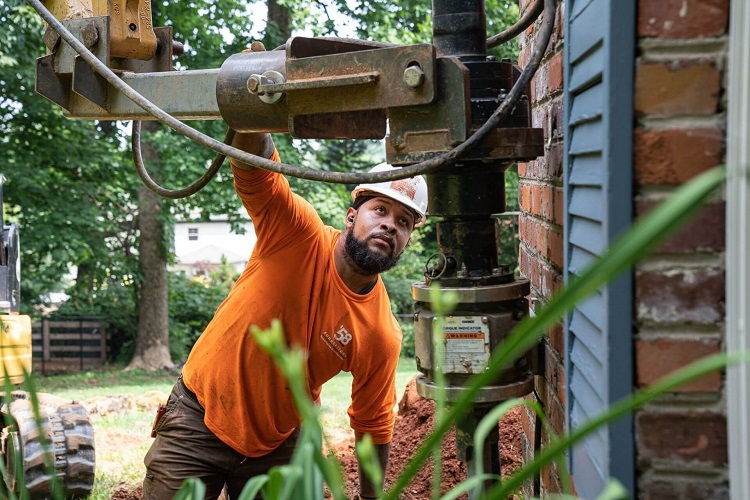
Once foundation issues are identified, a range of solutions exists, tailored to address the specific problem at hand. Underpinning involves extending the foundation to reach a layer of soil that provides better support, effectively enhancing the foundation’s stability. Slabjacking, on the other hand, is a technique used to lift sunken concrete by injecting a grout mixture through the slab, effectively leveling it. Piering involves driving steel posts through unstable soil to reach bedrock or stable soil, thereby providing a solid base. Understanding the variety of solutions and adapting the one that matches the specific circumstances of your foundation is fundamental to achieving successful results. Exploring the specifics of each method can also offer homeowners and prospective buyers insight into what repair processes entail.
Not all problems require invasive fixes, but choosing the correct method is crucial for long-term results. Consulting with professionals, whether it be a Foundation contractor in Palmetto, FL or somewhere closer to home, ensures the right approach is selected for each unique situation. With proper technique and materials, even severe issues can be effectively addressed.
The Importance of Professional Assessments
Given the complexity and potential severity of foundation issues, professional assessments are crucial. Structural engineers and foundation specialists have the expertise to conduct thorough inspections and accurately diagnose problems, bringing specialized knowledge and tools to the table. A DIY diagnosis or repair might seem cost-efficient at first but could lead to larger issues if done incorrectly. Professional assessments not only pinpoint current issues but can also help homeowners understand potential future risks, offering peace of mind and strategic planning for timely interventions.
Qualified experts from reputable platforms like alphastructural.com can detect hidden signs that an untrained eye might easily overlook. Their input can prevent unnecessary repairs while ensuring essential ones are addressed. Trusting professionals ultimately protects both the structure and your investment.
Cost Considerations in Foundation Repair
Foundation repair costs can vary dramatically, often influenced by the specific method applied, the size and level of damage, and even the region in which the property is located. General price ranges can span from a few thousand dollars for minor repairs to tens of thousands for significant structural work. To better understand these financial aspects, Foundation Repair Costs – HomeAdvisor offers comprehensive coverage of average expenditures, helping homeowners gauge what to expect. The cost of inaction, however, can be far more significant if foundational problems are left unaddressed, potentially compromising the home’s structural integrity and value.
Planning for potential costs can help homeowners avoid financial surprises. Insurance and home warranties may cover some expenses, but understanding what’s included is key. Addressing problems early usually results in far lower costs compared to delayed action.
Real-Life Case Studies
Real-life examples of successful foundation repairs can underscore the importance of early detection and professional intervention. Take, for example, the homeowner who noticed minor cracks in the drywall and opted for a professional evaluation. What could have escalated into a major repair project was efficiently managed by fast action, saving significant costs in the future. These cases demonstrate the practical implications of the theories and suggestions discussed herein, validating the critical nature of proactive maintenance.
Stories like these highlight the real-world benefits of vigilance and preparedness. They also show how accessible solutions can be when problems are addressed early. Learning from others’ experiences can help homeowners take the right steps for their own properties.
Proactive Measures to Prevent Foundation Damage
To maintain foundation health, proactive measures play a pivotal role. Implementing proper drainage systems prevents water accumulation around the foundation, a primary cause of foundational damage. Regular maintenance checks and inspections, carried out by professionals or knowledgeable homeowners, can detect early signs of potential issues, ensuring timely repairs. These preventive strategies are not just about avoiding costs but preserving the structural soundness and safety of the home in the long run.
Preventative care extends the life of your foundation and reduces future stress. Small adjustments—like regrading the yard or cleaning gutters—can have a big impact. Staying consistent with inspections makes a noticeable difference over time.
Expert Insights
Consulting with experts provides an additional layer of insight into foundation care. Industry advancements suggest a future where technological innovations such as sensors and novel materials can predict and prevent foundational issues before they arise. Staying informed about such trends and integrating expert opinion into your maintenance strategies can prepare homeowners for a future where homes are not only more durable but smarter in fundamental ways.
Technology is transforming how we approach home maintenance, offering new tools for early detection. Keeping up with these trends gives homeowners an edge in preserving property value. Expert guidance paired with innovation can lead to smarter, longer-lasting solutions.
Conclusion
Foundation repair is a complex yet essential aspect of home maintenance, with early detection and professional intervention serving as key pillars in preserving structural stability. By understanding common causes, recognizing warning signs, and exploring tailored repair methods, homeowners can mitigate long-term risks and costs. Preventive measures and expert insights further empower individuals to take proactive steps in maintaining their foundation’s health. Ultimately, a well-maintained foundation not only safeguards a home’s physical structure but also protects its overall value and longevity.
Staying informed and vigilant allows homeowners to respond to potential issues before they escalate. With the right knowledge and support, even serious foundation problems can be addressed efficiently and effectively. In the end, proactive care and timely repair are investments that pay off in the form of safety, stability, and peace of mind.